Introduction
Choosing boonie hats for tactical and defense procurement is not only about style or color.
Buyers need to evaluate stock availability, fabric type, logo options, packaging, price, and delivery time before placing bulk orders.
In real B2B procurement, most buyers first ask about stock models and customization options.
However, final decisions are usually driven by pricing competitiveness and reliable lead time.
This guide breaks down 12 practical buying tips to help procurement teams reduce sourcing risk and improve decision efficiency.
Let’s start with the basic understanding of boonie hats in field operations.
🧠Tip 1–2: Understand Boonie Hat Basics Before Procurement
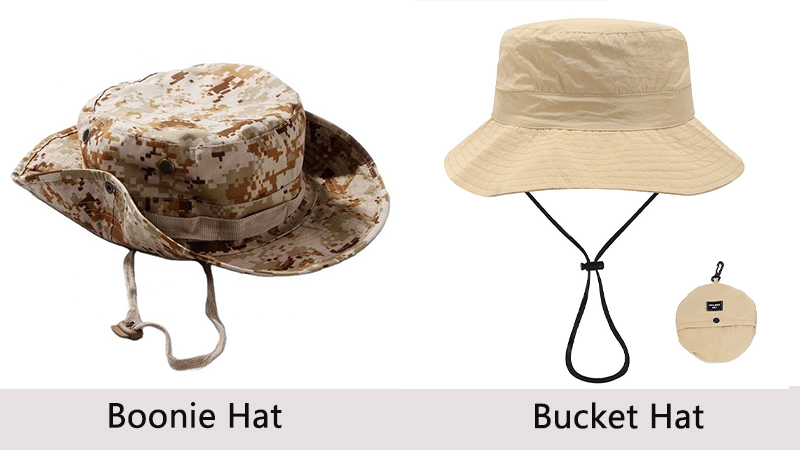
Tip 1: Define Tactical Boonie Hat vs Bucket Hat Use Case
A boonie hat is designed for tactical and field operations, while a bucket hat is more casual and lifestyle-oriented.
The key difference is in structure, durability, and functional design.
For defense or security procurement, boonie hats are usually preferred because of better field performance and protection.
Bucket hats are more suitable for light outdoor or retail applications.
Tip 2: Confirm Field Requirements Before Selection
Before choosing a model, procurement teams should define the real working environment.
Different missions require different fabric strength, ventilation, and brim design.
For patrol, training, or border operations, hats must support long-hour outdoor use.
For casual distribution, comfort and cost efficiency may be more important.
📦 Tip 3–4: Build a Clear Product Selection System
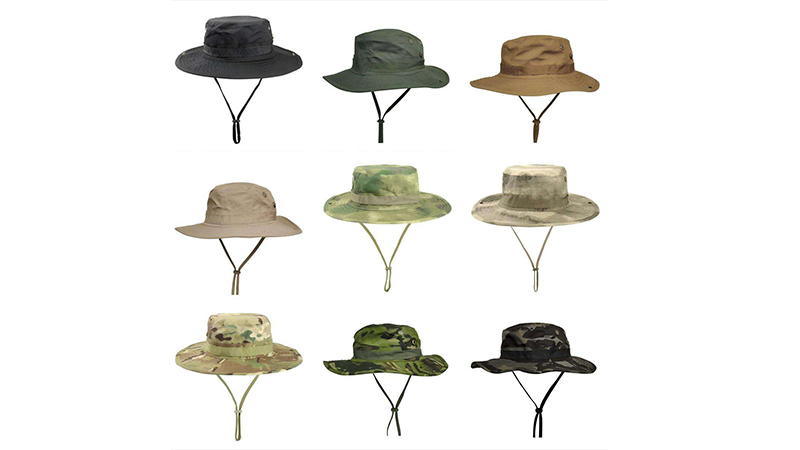
Tip 3: Organize Boonie Hat Product Types by Mission Use
Boonie hats should be grouped by usage scenario instead of appearance.
This helps buyers quickly compare options and reduce selection errors.
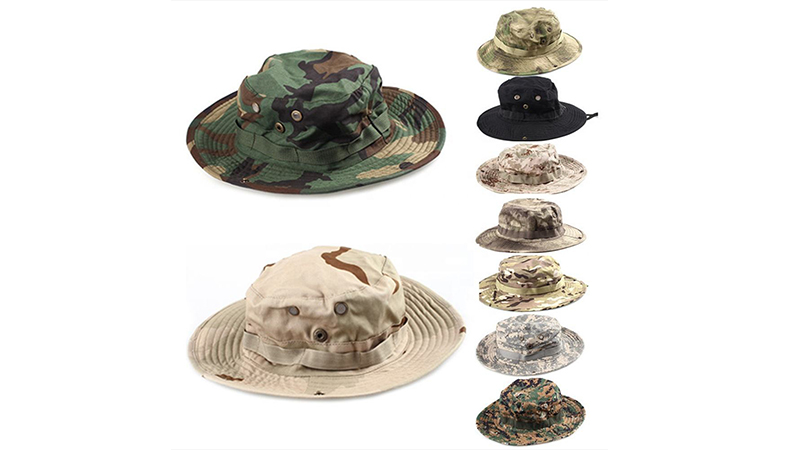
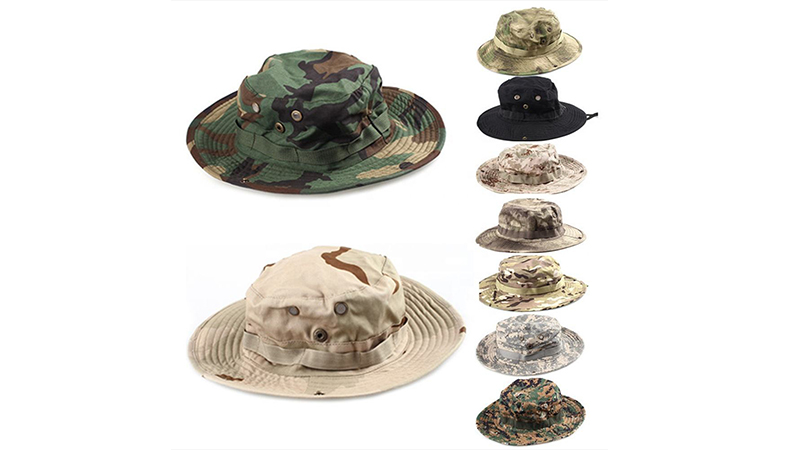
Common categories include military boonie hats, contractor hats, cotton hats, and heavy-duty models.
Each category serves a different operational requirement.
Tip 4: Verify SKU Availability Before Bulk Inquiry
Before sending RFQ, buyers should confirm SKU status and stock availability.
This avoids delays caused by out-of-stock or long production cycles.
Clear SKU selection also helps suppliers provide faster and more accurate quotations.
It reduces back-and-forth communication during procurement.
🧵 Tip 5–6: Check Materials and Construction Carefully
Tip 5: Choose Fabric Based on Environment and Durability
Fabric selection directly affects durability, comfort, and cost.
Common materials include cotton, polyester blends, and ripstop fabric.
Ripstop fabric uses a reinforced grid structure to prevent tearing.
It is widely used in tactical environments due to higher durability.
Tip 6: Evaluate Ventilation and Structural Design
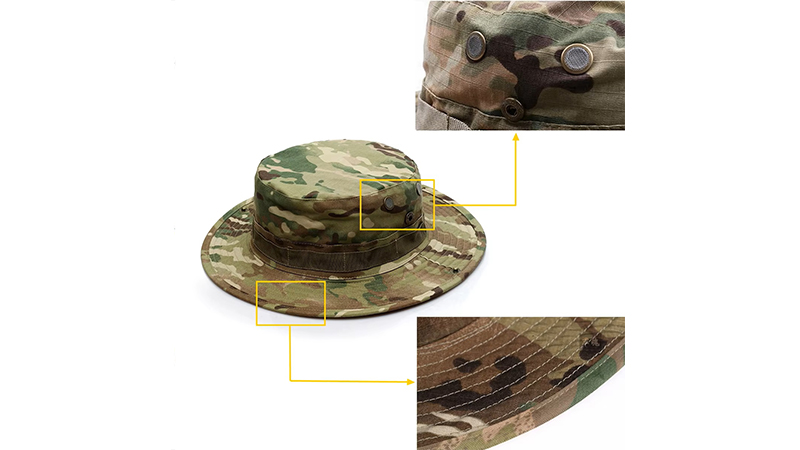
Ventilation is critical for long outdoor use.
Brass eyelets or reinforced vents help improve airflow and reduce heat buildup.
Brim design also matters in field performance.
A wider brim improves sun protection but must balance visibility and mobility.
🪖 Tip 7–8: Compare Tactical Features and Field Performance
Tip 7: Compare Boonie Hat vs Bucket Hat by Mission Use
Boonie hats are more suitable for tactical and defense operations.
Bucket hats are better for casual and low-intensity outdoor use.
For procurement teams, selection should be based on mission profile rather than appearance.
This reduces mismatch between product and field application.
Tip 8: Validate Fit, Chin Strap, and Field Stability
A proper boonie hat must stay stable in wind and movement.
Chin straps help secure the hat during field operations.
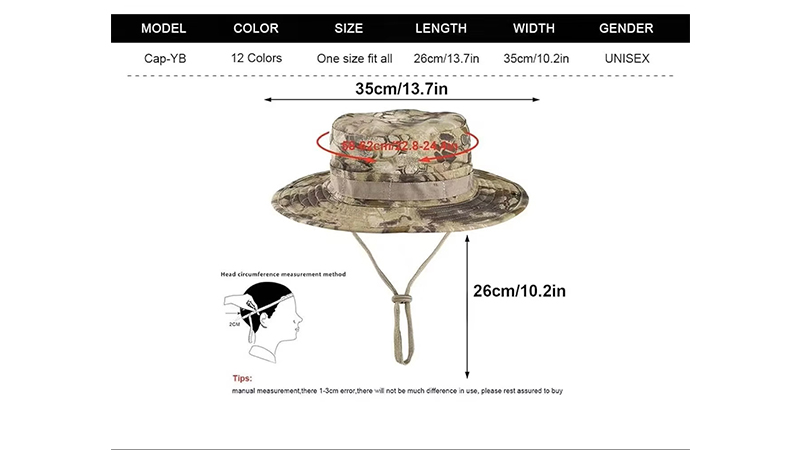
Fit consistency is important for bulk orders.
Poor sizing control can lead to high return rates and user complaints.
📄 Tip 9–10: Verify Compliance and Procurement Documents
Tip 9: Confirm MIL-SPEC and Certification Requirements Early
Some procurement projects require MIL-SPEC or equivalent documentation.
These requirements should be clarified before quotation.
Early confirmation helps avoid delays in production and approval.
It also ensures the supplier can support the required standards.
Tip 10: Request Test Reports Before RFQ Approval
Buyers may request fabric test reports, color fastness data, or abrasion testing.
These documents help validate product quality before bulk production.
Late compliance requests may affect cost and lead time.
Therefore, all document requirements should be included in RFQ stage.
🚚 Tip 11–12: Optimize Bulk Ordering and Supplier Communication
Tip 11: Clarify MOQ, Packaging, and Lead Time Before Ordering
MOQ, packaging, and delivery time are key cost drivers.
Different customization levels directly affect production efficiency.
Simple packaging usually results in faster delivery.
Custom packaging increases both cost and production time.
Tip 12: Align Stock vs Custom Decision with Budget and Timeline
In real procurement projects, many buyers start with custom requirements.
However, they often switch to stock models after reviewing price and lead time.
Standard models with light customization help reduce risk.
They also allow faster market testing and lower initial investment.
📊 SONICE Bulk Order Insight
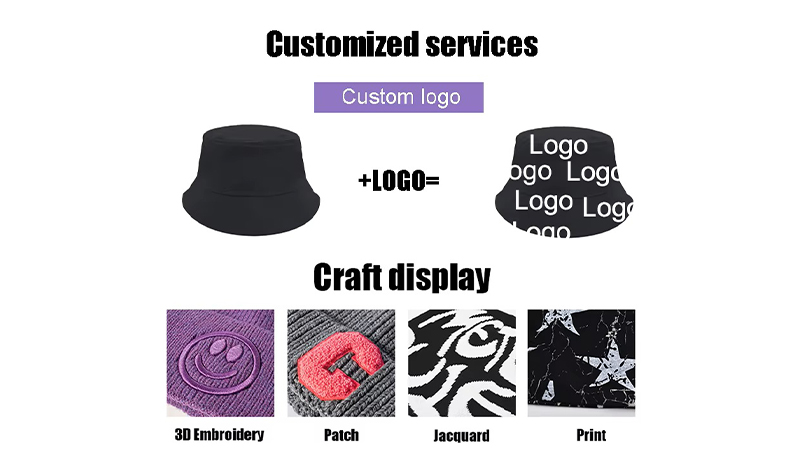
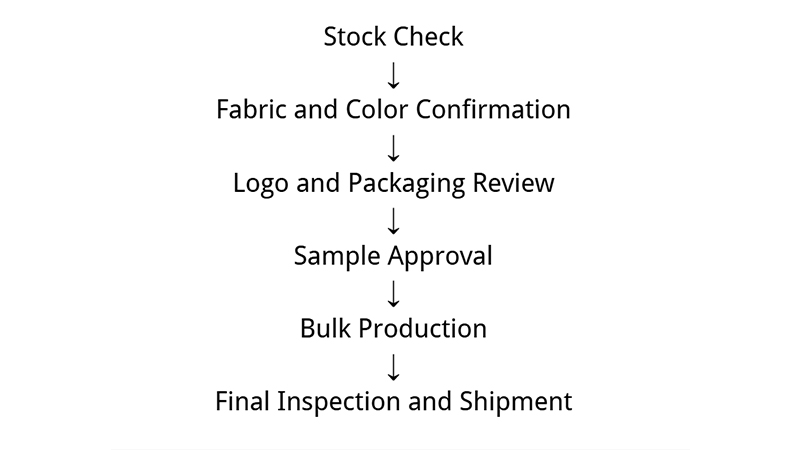
In boonie hat bulk orders, the most sensitive cost factors are logo method and packaging design.
Embroidery, woven labels, hang tags, and custom cartons all impact final pricing.
Buyers often shift from custom models to stock models after reviewing quotations.
This is common when budgets are limited or delivery time is urgent.
For time-sensitive projects, stock boonie hats with light branding are usually the safest choice.
They balance cost control and brand identity effectively.
📌 Accessories and Field Compatibility
Boonie hats can be combined with chin straps, labels, and simple storage bags.
These accessories improve usability and logistics efficiency.
For bulk distribution, packaging size and carton quantity should be considered.
They directly affect shipping cost and warehouse handling.
For retail projects, branded tags and packaging improve product presentation.
For defense procurement, simple and functional packaging is preferred.
🧼 Care, Maintenance, and Lifecycle
Different materials require different maintenance methods.
Cotton hats may shrink under high-temperature washing.
Ripstop and blended fabrics offer better durability and drying performance.
They are more suitable for repeated field use.
Regular inspection is recommended for tactical applications.
Check stitching, brim structure, strap condition, and fabric wear.
❓ FAQ
Do boonie hats meet MIL-SPEC requirements?
Some models can support MIL-related requirements depending on materials and project needs.
Buyers should confirm specifications before ordering.
Are boonie hats washable?
Yes, most boonie hats are washable.
However, washing methods vary depending on fabric type.
Can SONICE provide custom logos?
Yes, options include embroidery, woven labels, heat transfer, and rubber patches.
The method depends on order quantity and design requirements.
What affects price and lead time most?
Key factors include logo method, packaging, fabric type, MOQ, and stock availability.
These should be confirmed early in the RFQ stage.
Should buyers choose stock or custom boonie hats?
Stock models are better for fast delivery and lower cost.
Custom models are suitable for branding or tender requirements.
Can procurement teams request samples?
Yes, samples are recommended before bulk orders.
They help confirm material, fit, and production quality.
📌 Conclusion
Choosing boonie hats for tactical procurement requires more than design selection.
Buyers must evaluate fabric, fit, ventilation, compliance, packaging, and lead time.
From real procurement experience, most buyers initially focus on customization.
However, final decisions are usually driven by price stability and delivery reliability.
For urgent or cost-sensitive projects, stock models are often the safest option.
For branding or government tenders, light customization may be required.
🚀 Get Instant Quote
Send SONICE your quantity, target price, delivery time, fabric requirement, color, logo method, and packaging needs.
We can help you compare stock models, custom options, and OEM solutions before bulk ordering.