
Introduction
Choosing chest rigs with plate carriers is not only about adding more pouches or stronger protection. Procurement teams need to balance weight and mobility, price, and delivery time before they confirm a bulk order.
In real B2B procurement, many buyers first ask about stock availability and customization. After deeper discussion, the final decision often depends on cost control in the target market.
SONICE is a professional tactical gear manufacturer, helping buyers compare standard models and OEM options. We can also review fabric choices, logo methods, packaging, and MOQ before production starts.
This guide organizes the selection process into 12 practical tips. Each tip helps procurement teams choose a more suitable loadout system for defense, law enforcement, security, training, and range-use projects.
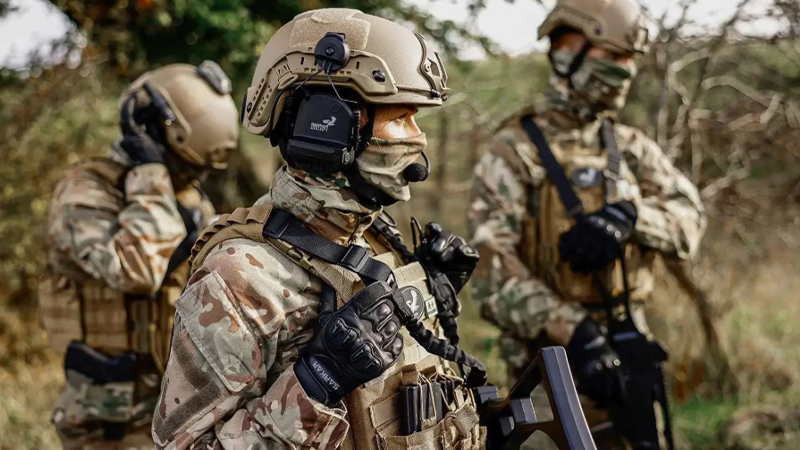
12 Procurement Tips for Chest Rigs With Plate Carriers
The following tips turn the title promise into a clear buying framework. Use them to check mission requirements, compare supplier offers, and reduce quotation risk before sample confirmation.
Tip 1: Define the Mission Before Choosing the Loadout System
A chest rig is mainly used to carry magazines, radios, tools, medical kits, and other mission gear. It is usually lighter than a full plate carrier and works well when users need speed and quick access.
A plate carrier is designed to hold ballistic plates and tactical accessories. When buyers ask for chest rigs with plate carriers, they usually want one system that combines load-carrying capacity and protection needs.
For procurement teams, the key question should be simple: do users need lightweight gear carrying, ballistic protection, or both? This early decision prevents over-specification and keeps the project aligned with real field use.
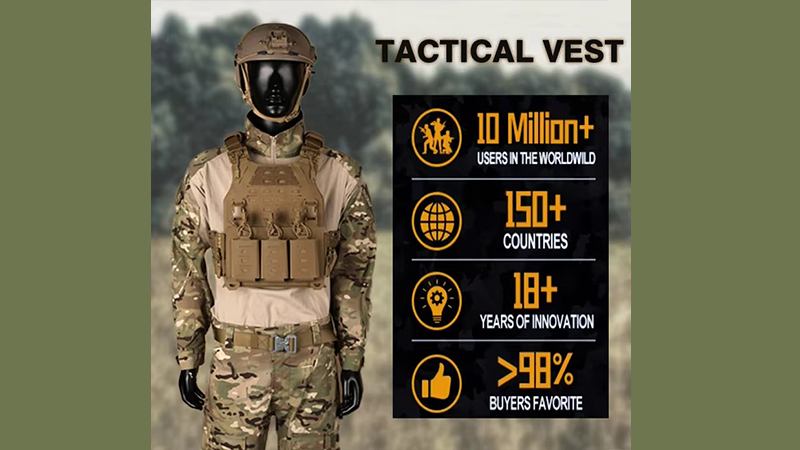
Tip 2: Compare Chest Rigs and Plate Carriers Before Budget Approval
Chest rigs and plate carriers are not the same product category. A chest rig is mainly for lightweight gear carrying, while a plate carrier is for carrying plates and tactical equipment together.
If the mission needs speed, ventilation, and lower cost, a chest rig may be more suitable. If the mission requires ballistic plate support, a plate carrier is usually the safer procurement choice.
| Comparison Factor | Chest Rig | Plate Carrier |
| Main Purpose | Lightweight gear carrying | Gear carrying and plate protection |
| Protection | No ballistic plate by default | Supports ballistic plates |
| Weight | Lighter | Heavier |
| Mobility | Higher | Depends on plate and loadout |
| Best Use | Patrol, training, range day | High-risk tasks, tactical response |
| Cost | Usually lower | Usually higher |
| Customization | Logo, pouch layout, color | Plate pocket, cummerbund, quick release, logo |
If price and lead time are tight, check standard models before requesting deep customization. This approach often helps buyers control sample cost.
Tip 3: Decide Whether Laser-Cut Construction Is Necessary
Laser-cut systems are popular because they look clean and can reduce weight. Instead of sewing extra MOLLE webbing onto the surface, the panel is cut directly into a reinforced fabric layer.
This construction can make the chest rig or plate carrier flatter, lighter, and more streamlined. It also gives users a modular platform for attaching pouches and accessories.
However, laser-cut is not always the best choice for every project. If buyers care more about cost and repairability, standard MOLLE webbing may still be a practical option.
Before choosing laser-cut construction, check material quality, cutting accuracy, pouch compatibility, and long-term wear resistance. These details affect both user experience and bulk-order stability.
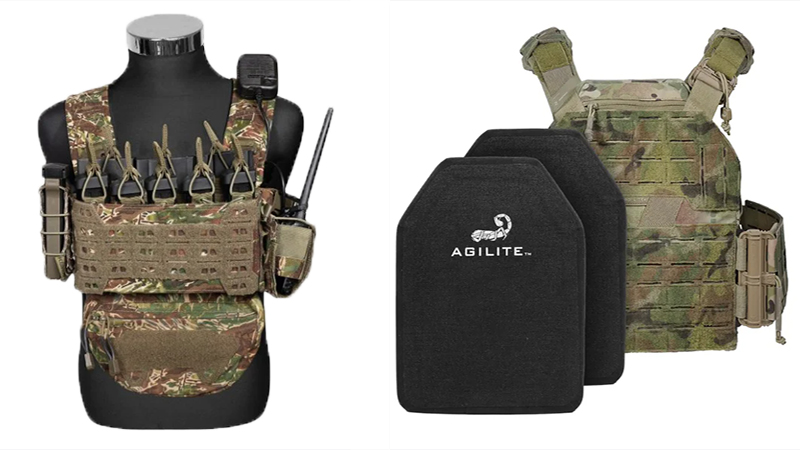
Tip 4: Evaluate Plate Carrier Features That Affect Field Performance
A good plate carrier should match the mission instead of only looking tactical. Procurement teams need to check plate pocket size, cummerbund style, shoulder strap comfort, retention system, and attachment layout.
The cummerbund affects side stability, comfort, pouch mounting, and how fast users can put on or remove the carrier. Quick-release functions may also matter for emergency access and medical response.
You should also compare weight and mobility before adding more functions. Extra features can improve load capacity, but they can also make the carrier heavier and slower to use.
Tip 5: Confirm Ballistic Plate Compatibility and Sizing Early
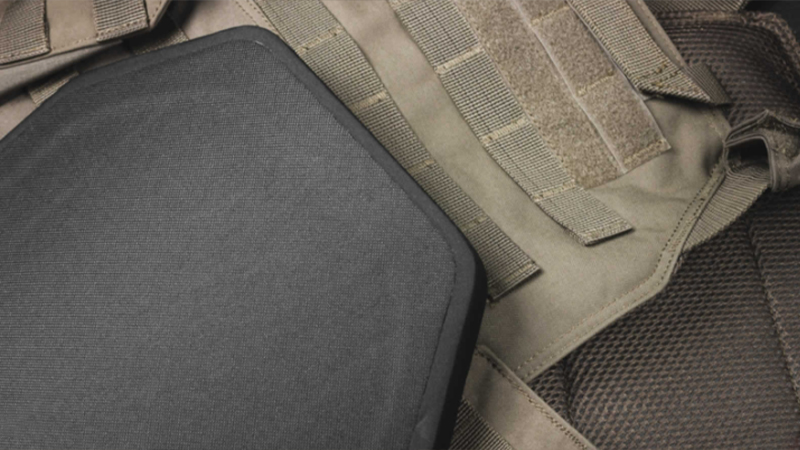
Plate compatibility is one of the first details to confirm. If the buyer uses SAPI, ESAPI, 10×12 inch plates, or a custom plate size, the plate pocket must match the exact dimensions.
Do not only say “plate carrier compatible.” You need to confirm plate size details, curve type, and trauma pad requirement before production.
Multi-curve plates may need more pocket depth. If a trauma pad is used behind the plate, the pocket must allow enough internal space without making the fit loose.
Poor plate fit can create several problems. The plate may move inside the pocket, feel too tight, or affect user mobility, so B2B buyers should provide a physical plate sample or exact plate drawing before mass production.
Tip 6: Match Chest Rig Layout to Real Use Cases
Chest rigs are useful when users need speed and light weight. They are often used for patrol, training, range day, vehicle operations, low-vis tasks, and private security work.
A lightweight patrol chest rig may carry magazines, a radio, a tourniquet, and small tools. It should not restrict breathing comfort or arm movement during long use.
A low-vis chest rig should stay close to the body and work under a jacket or outer layer. For range day use, the layout can be simpler, with spare magazines, a small tool pouch, and enough comfort for repeated drills.
Tip 7: Test Range-Day and Training Configurations With Full Kit
Range-day setups should be easy to wear and easy to adjust. A heavy plate carrier may not always be needed if the team mainly focuses on shooting drills, reload practice, or movement training.
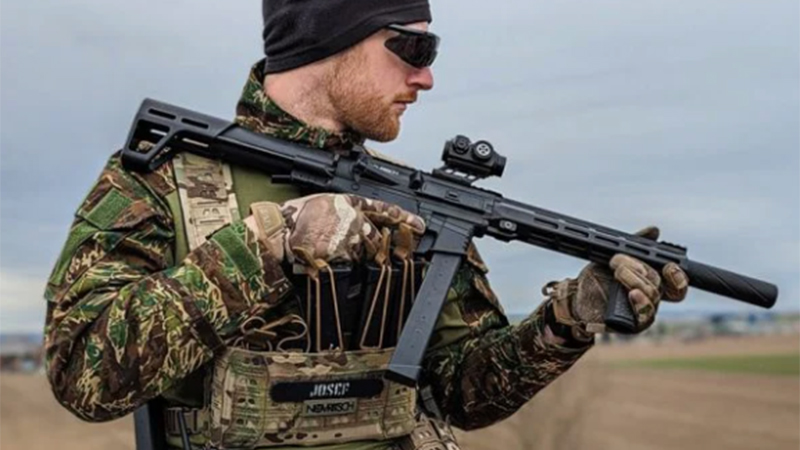
Users should be able to raise their arms, shoulder a weapon, reload quickly, crouch, and move without discomfort. Before placing a bulk order, test the system with the full training kit.The test should include magazines, gloves, helmet, radio, and required pouches. A product that feels fine when empty may feel very different when fully loaded in a realistic training setup.
Tip 8: Choose Accessories and Upgrades Based on the Scenario
Accessories can improve comfort and mission flexibility, but they should match the real use case. Common upgrades include padded shoulder straps, quick-release cummerbunds, magazine pouches, radio pouches, admin pouches, IFAK pouches, hydration modules, and glove-friendly buckles.
Padded shoulder straps are useful for longer wear because they reduce pressure when the carrier is loaded. Quick-release cummerbunds help users remove the system faster during emergency response.
Hydration modules are useful in hot climates, field training, and long patrols. If users also wear helmets, gloves, backpacks, or tactical uniforms, check equipment compatibility before bulk ordering.
A loadout should work as a full system, not as separate products. This is especially important when the same buyer sources chest rigs, plate carriers, tactical backpacks, and uniforms together.

Tip 9: Check Material, Durability, and Certification Requirements
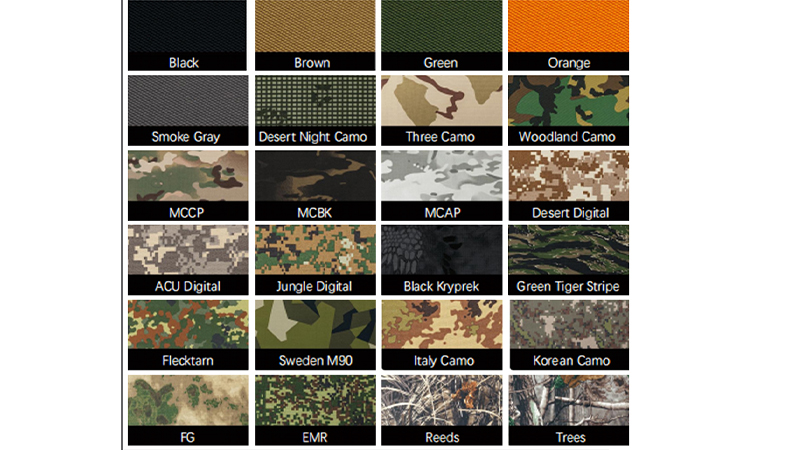
Material choice affects price and durability, as well as lead time. For chest rigs and plate carriers, buyers should check fabric denier, nylon or polyester type, webbing strength, seam reinforcement, abrasion resistance, UV resistance, color fastness, and hardware quality.
If the product includes ballistic protection, ask for proper PPE or ballistic documentation. This may include NIJ documents, depending on the market and project requirement.
For non-ballistic fabric parts, you can request material certificates, abrasion test data, UV resistance reports, QC inspection reports, or factory audit documents. These files help reduce procurement risk and make supplier comparison easier.
If a supplier only provides photos and price, the project may carry more risk for government buyers or defense-related procurement. Documentation is part of the product, not an afterthought.
Tip 10: Prepare a Clear RFQ Before Asking for Samples
A clear RFQ can save time. RFQ means Request for Quotation, and it should include the details that affect price calculation and sample preparation.
Instead of only asking for “custom chest rig” or “plate carrier with accessories,” provide the key details first. You can include quantity and target price, fabric specification, plate size, color, logo method, packaging requirement, and MOQ expectation.
SONICE can support ready stock options, standard models, OEM chest rigs and plate carriers, logo customization, packaging customization, color programs, sample support, and bulk order planning.
Tip 11: Control Cost, MOQ, and Lead Time Before Deep Customization
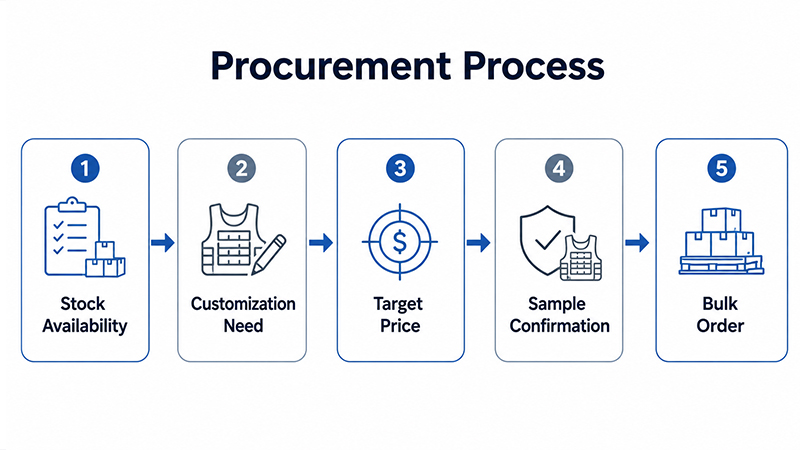
In quotation and sampling, the details that most often affect price and lead time are fabric specification, logo method, packaging requirement, MOQ, and customization depth.
For example, special fabric, low MOQ, custom logo process, individual packaging, or custom carton marks can change the final quotation. They can also extend the production schedule.
In real chest rig and plate carrier projects, buyers often ask two questions first: “Do you have stock?” and “Can you customize it?” After further discussion, the real deciding factor is often target price.
If the cost is too high, many buyers adjust the design. They may choose a standard model, reduce customization, or start with a lighter configuration to keep the first order practical.
That is why we suggest confirming three things early: stock availability, required customization, and target price. This helps avoid over-designing the product before the budget is clear.
Tip 12: Run Installation, Sizing, and Fit Testing Before Bulk Ordering
Fit testing is important before bulk procurement. Users should test the system with the full operational kit, including plates, helmet, gloves, uniform, backpack, radio, magazines, and hydration system.
During the test, check shoulder pressure, plate movement, cummerbund stability, quick-release function, breathing comfort, and arm movement. These checks expose fit problems before mass production.
Users should also test common actions, including crouching, turning, raising arms, shouldering a weapon, reloading, and entering a vehicle. A good fit test can reduce field-use issues.
FAQs: Common Questions About Chest Rigs With Plate Carrier
Can a chest rig be used with a plate carrier?
Yes. Many chest rigs can work with plate carriers, but buyers should confirm attachment points, and layout before bulk ordering.
How do buyers confirm plate size compatibility?
Buyers should provide plate length, width, thickness, curve type, and trauma pad requirement. A physical plate sample or detailed drawing is even better.
Can components from different brands be mixed?
Sometimes. Buyers still need to check buckle size, MOLLE spacing, hook-and-loop layout, and strap position before confirming compatibility.
What affects price and lead time most?
From SONICE’s experience, fabric specification, logo method, packaging, MOQ, and customization depth are the most common factors.
Is stock better than OEM customization?
If you need fast delivery and cost control, stock or standard models may be better. If you need branding, tender matching, or specific mission requirements, OEM customization may be useful.
Conclusion
Choosing chest rigs with plate carriers is not only about protection or pouch layout. Procurement teams need to match the system to mission use, plate size, weight, mobility, price, and delivery time.
For B2B procurement teams, the best choice is often not the most complex setup. A standard model may work better when the project needs faster delivery and better cost control.
If your order requires branding, tender matching, special fabric, packaging, or specific plate compatibility, OEM customization may still be useful. The key is to confirm real requirements before bulk ordering.
CTA
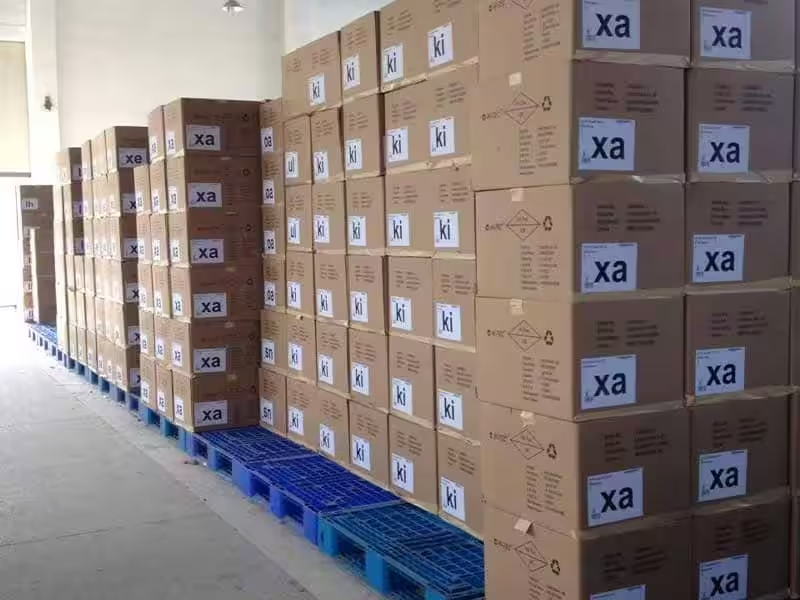
Need a practical chest rig or plate carrier solution for your procurement project? Send SONICE your quantity and target price, fabric specification, logo request, packaging requirement, and MOQ expectation.
We can help you compare stock models, standard models, and OEM options before you place a bulk order. Get an Instant Quote or request a sample review for your next procurement project.