Introduction
Choosing woobie blankets for tactical procurement is not only about warmth or camouflage. You need to check stock colors, MOQ, logo options, packaging, fill weight, and delivery time. In real B2B orders, many buyers first ask for full OEM customization. But after reviewing cost and lead time, they often choose stock colors with light branding. This guide will show you how to compare materials, thermal performance, customization, and bulk order terms with lower procurement risk. Let’s start with what a woobie blanket really does in field use.

What Is a Woobie Blanket?
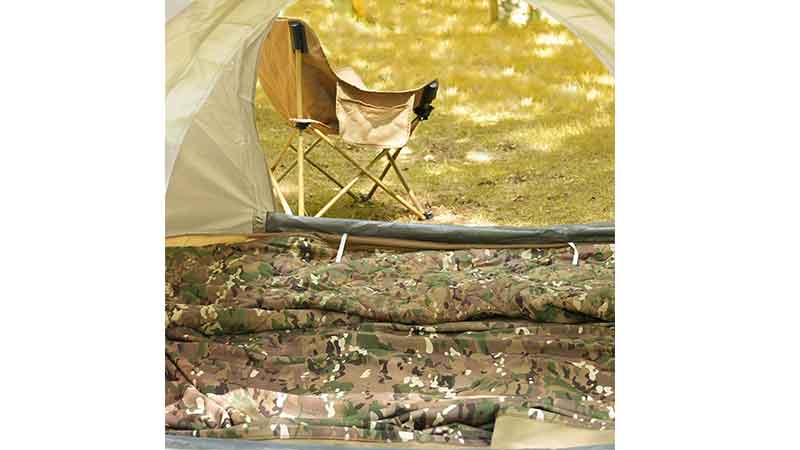
A woobie blanket (poncho liner) is a lightweight insulated blanket used in tactical and outdoor environments.
It is commonly used for field rest, sleeping systems, shelter insulation, and emergency warmth.
Many users apply it as a sleeping bag liner for added comfort and thermal efficiency.
Others use it as a vehicle blanket or cold-weather field layer.
From a procurement perspective, the key requirement is simple.
A woobie blanket must be packable, durable, warm, and easy to distribute in bulk programs.
Materials and Construction Risk Factors
Why Material Selection Impacts Procurement Cost
Material choice directly affects warmth, weight, durability, and total cost.
That is why procurement teams should not select products based on appearance alone.
Common fabric options include polyester, nylon, ripstop, and blended fabrics.
Ripstop fabric is widely used because it helps prevent tearing during field use.
A higher denier rating usually indicates stronger fabric performance.
However, it may also increase weight and affect packing efficiency.

Insulation and Quilting Structure
The insulation layer determines thermal performance and compression behavior.
Light filling works well for training or mild weather environments.
Heavier filling is better for cold nights or long field deployments.
It provides better heat retention but increases bulk.
Quilting structure is equally important in bulk orders.
Poor quilting may cause filling displacement and create cold spots after washing.
SONICE Field Procurement Insight
Buyer Behavior and Risk Pattern in Real Orders
In real woobie blanket procurement, buyers usually start with questions about stock colors, MOQ, logo options, and delivery time.
These are surface-level requirements used for initial screening.
After deeper communication, their real concerns become clearer.
They focus on stable pricing, consistent warmth, reliable lead time, and low-risk customization.
For first orders, many buyers shift from full OEM customization to stock-based solutions.
Common options include woven labels, hang tags, carton marks, and simple packaging.
Thermal Performance and Field Reliability
Key Factors Affecting Warmth Stability
Thermal performance depends on fill weight, insulation type, loft, and fabric recovery.
Thickness alone is not a reliable indicator of warmth.
Loft refers to how well insulation expands after compression.
Better recovery leads to more stable warmth performance in field conditions.
Wet and dry performance also affect usability.
In humid environments, some materials lose thermal efficiency more quickly.
Tactical Features and Durability Requirements
Structural Strength in Field Applications
A tactical woobie blanket must perform under real operational conditions.
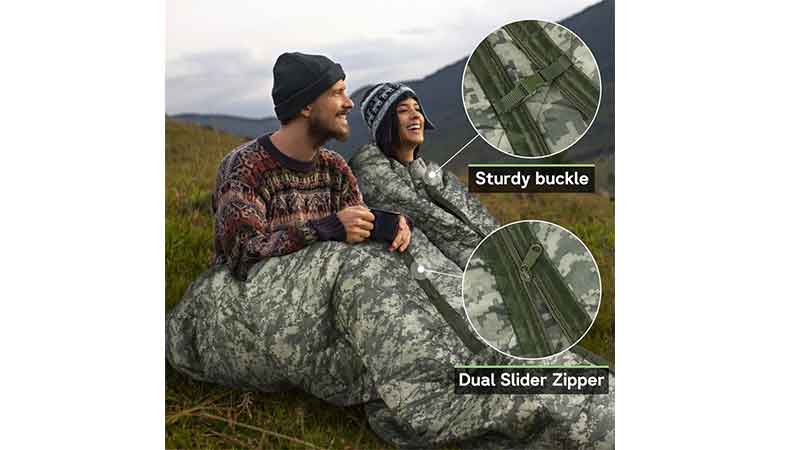
Key factors include tie cords, reinforcement points, seam strength, and edge binding.
Tie cords are used to connect with shelters, ponchos, or sleeping systems.
They must be securely reinforced to avoid failure during use.
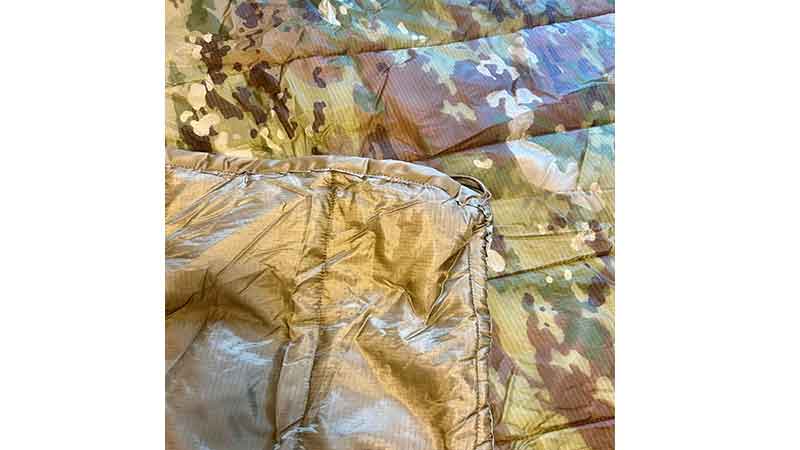
Edge binding quality directly affects long-term durability.
Weak stitching may fail after repeated folding and washing cycles.
Testing and Field Validation
For harsh environments, buyers may request abrasion and seam strength test data.
These reports help reduce procurement risk before bulk production.
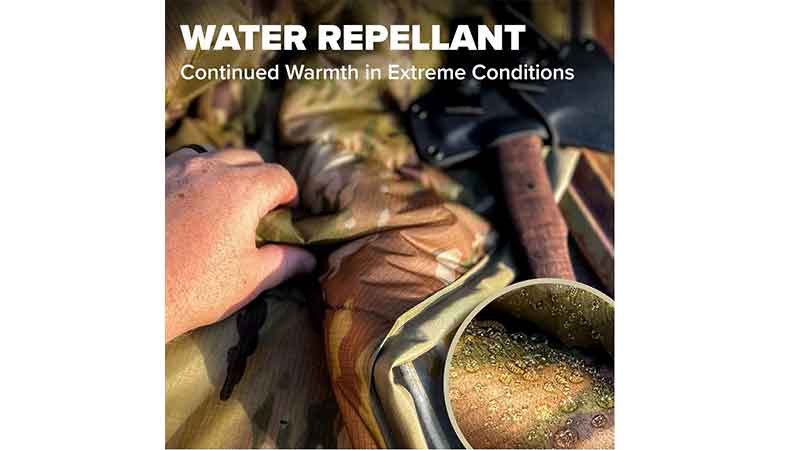
Water-resistant or DWR treatment can also improve field performance.
It helps protect against light moisture and ground contact exposure.
Compliance and Procurement Documentation
Early Verification of Project Requirements
Compliance requirements vary depending on project type and market.
Government and defense projects often require additional documentation.
Common documents include MIL-SPEC references, lab test reports, and batch traceability records.
These should be confirmed during the RFQ stage.
Late document requests may affect price, sample timeline, and delivery schedule.
Early clarification reduces procurement uncertainty.
Sizing, Packaging, and Logistics Planning
Bulk Order Efficiency and Storage Design
A woobie blanket must balance size, weight, and packed volume.
These factors directly affect shipping cost and warehouse efficiency.
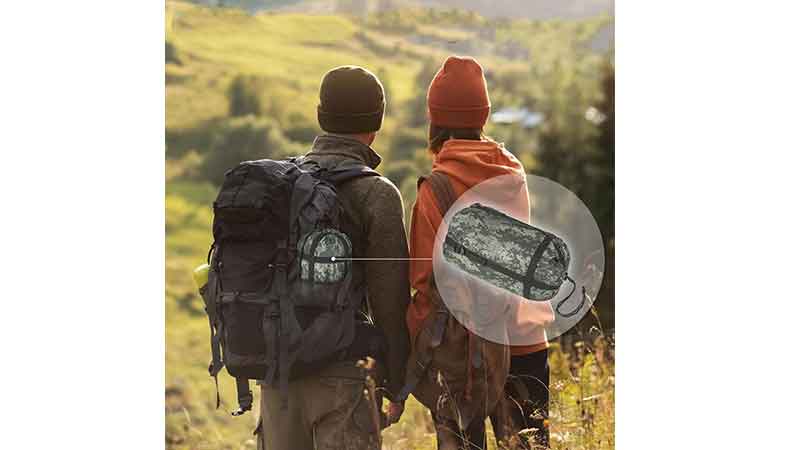
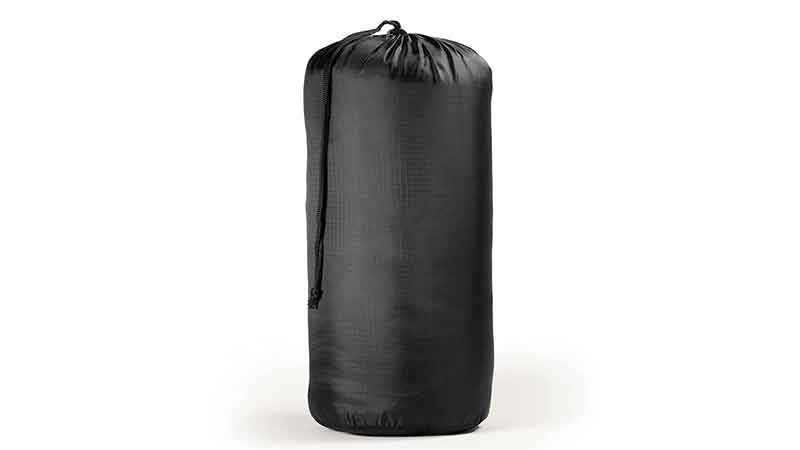
Compression sacks help reduce storage space in transport.
Simple packaging is often preferred for cost-sensitive procurement.
Retail programs may require better presentation packaging.
Military procurement usually prioritizes efficiency over appearance.
Procurement and Commercial Terms
Key Factors That Affect Bulk Pricing
Before requesting a quote, buyers should prepare quantity, size, fabric, fill weight, color, logo method, and packaging requirements.
These inputs determine pricing accuracy and production feasibility.
MOQ (minimum order quantity) varies by customization level.
Stock colors usually support lower MOQ and faster delivery.
Lead time depends on material availability and production complexity.
Sample orders are faster than full production runs.
Customization and Branding Strategy
Stock vs OEM Decision Logic
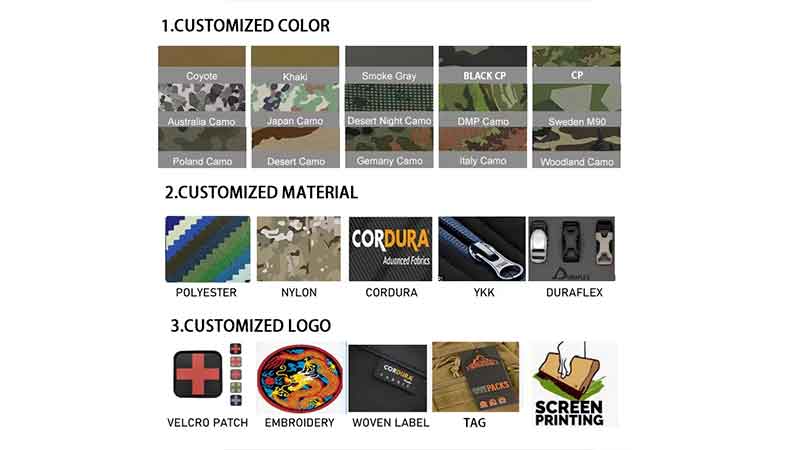
Customization helps align products with branding, tender requirements, or distribution channels.
However, full OEM production is not always necessary for first orders.
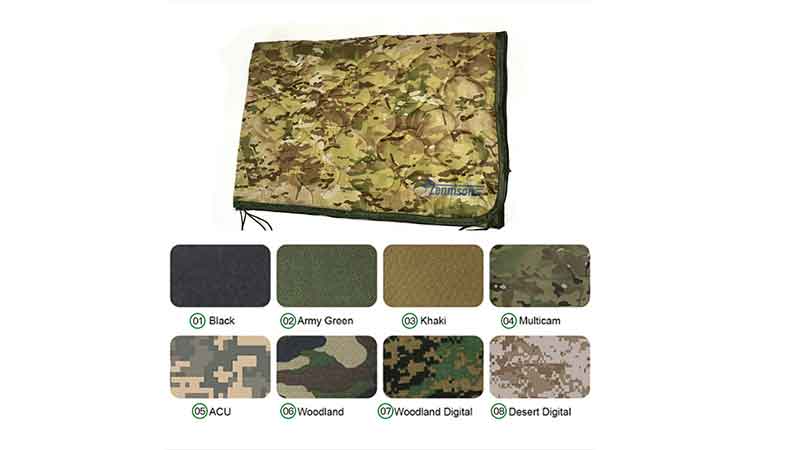
SONICE supports stock colors, camouflage patterns, woven labels, hang tags, and private labeling.
Light branding is often safer for initial procurement.
Many buyers begin with stock options to reduce risk.
They later move to deeper customization after confirming demand.
Field Use Applications
Operational Scenarios for Woobie Blankets
Woobie blankets are widely used in field operations, vehicle kits, shelters, and cold-weather environments.
They serve as sleeping bag liners or standalone insulation layers.
In field camps, they improve rest quality during cold nights.
In emergency kits, they provide compact thermal protection.
However, they should not be treated as waterproof gear.
They work best as insulation combined with outer protective layers.
Care, Maintenance, and Lifecycle
Extending Product Service Life
Proper maintenance helps extend product durability in field conditions.
Washing instructions should be confirmed before distribution.
High-temperature drying should be avoided unless approved.
Air drying is generally safer for insulation structure.
Regular inspection is recommended for field use units.
Key points include stitching, filling movement, and fabric condition.
B2B Sales Materials Requirements
What Procurement Teams Need for Decision Making
Buyers should request technical datasheets, QC reports, product images, and packaging details.
These materials support internal approval and distribution planning.
High-resolution images should show different product states.
This includes folded, open, packed, and fabric close-up views.
Clear documentation reduces misunderstanding in bulk orders.
It also improves repeat purchase efficiency.
FAQs for Procurement Officers
MOQ and ordering conditions
MOQ depends on fabric, color, logo method, and packaging type.
Stock options usually allow more flexible minimum quantities.
Lead time expectations
Delivery time depends on order size and customization level.
Stock orders are faster than full OEM production.
Sample availability
Samples are available for evaluation before bulk orders.
They help confirm quality, warmth, and packaging design.
Pricing factors
Main cost drivers include fabric, fill weight, size, logo, and packaging.
These must be defined early in RFQ preparation.
Customization options

SONICE supports multiple branding methods.
Options include woven labels, hang tags, and carton marks.
Get Instant Quote
Send SONICE your quantity, stock color preference, fabric requirement, fill weight, logo method, packaging need, target price, and delivery deadline.
We can help you compare stock colors, light branding, and OEM options before bulk ordering.