

Introduction:
Choosing the right Military Poncho Material is essential for defense procurement teams looking to balance waterproof performance, durability, weight, and cost. This guide explains how different fabrics, coatings, and construction methods affect poncho performance and procurement decisions. Based on SONICE’s experience supporting bulk buyers, we will share practical insights on material selection, customization choices, and cost control strategies. By the end of this guide, you will have a clearer approach to selecting reliable poncho solutions for different operational needs.

1. Understand Different Military Poncho Materials Before Purchasing
Choosing the right poncho material is the first step for defense and tactical buyers.
A military poncho needs to handle rain, wind, outdoor exposure, and repeated field use. The material directly affects waterproof performance, durability, and total procurement cost.
Before placing bulk orders, buyers should understand how different fabrics and coatings influence product performance.
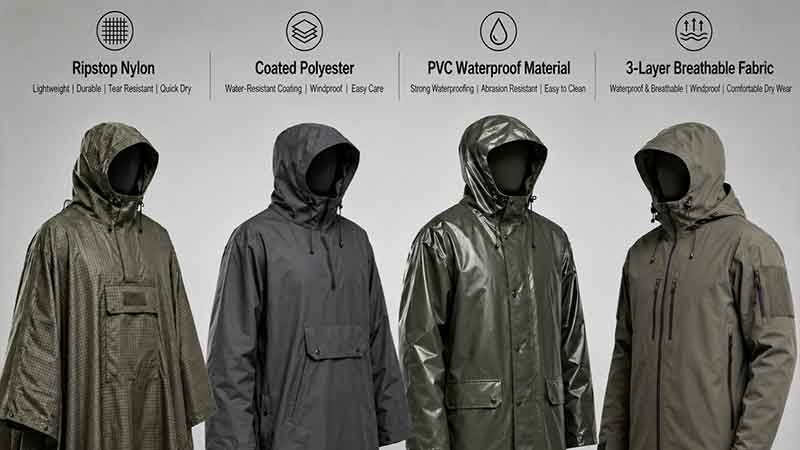
Common Materials Used for Military Ponchos
Most tactical ponchos use coated fabrics because they provide reliable protection while keeping the product lightweight.
Common options include:
- Coated nylon
- Polyester fabric
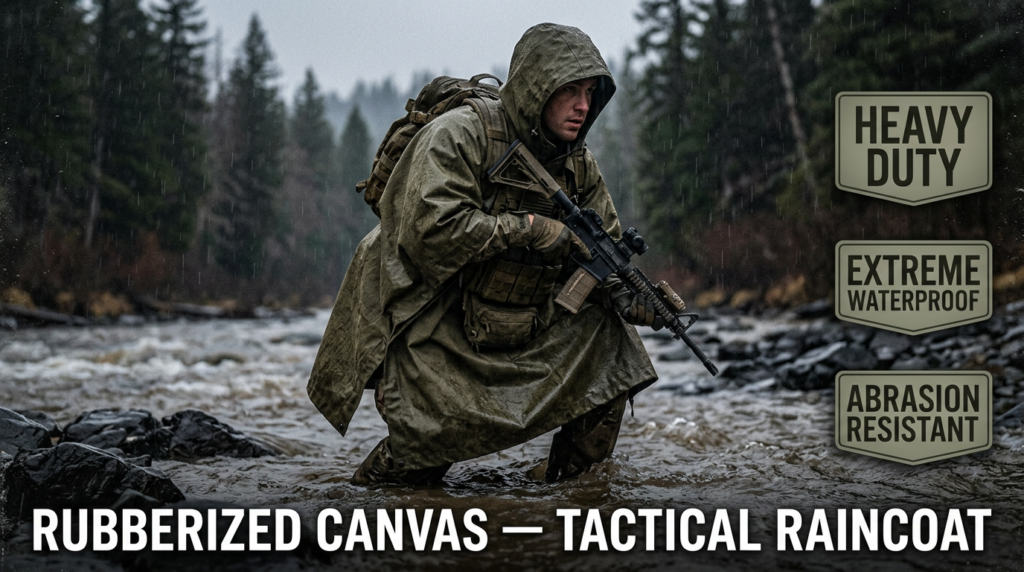
- Rubberized canvas
Each material has different advantages depending on the mission environment.
Coated Nylon: Lightweight and Easy to Carry
Coated nylon is widely used for tactical ponchos because it offers a good balance between strength and weight.
It provides high portability and waterproof protection, making it suitable for patrol missions and outdoor operations.
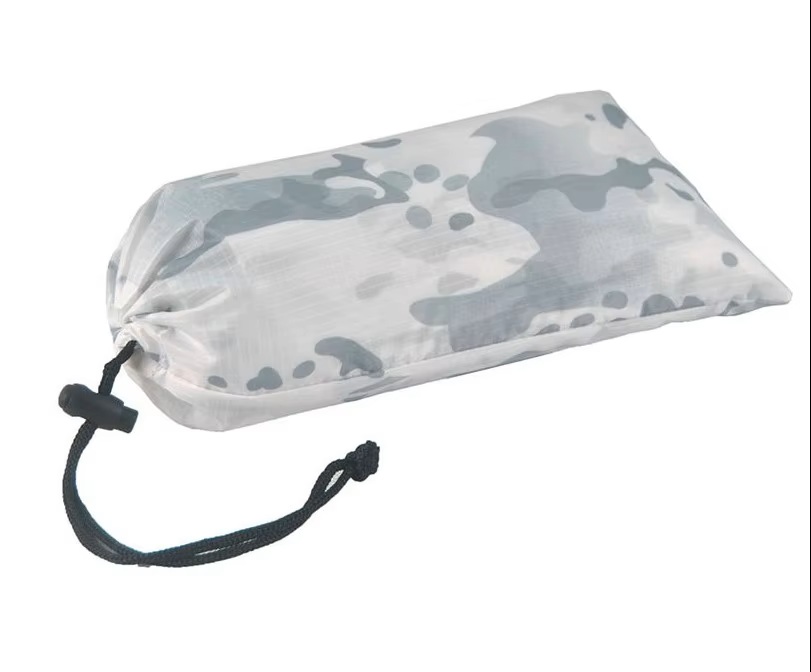
For buyers who need compact equipment, nylon ponchos are often a practical choice.
Polyester and Rubberized Canvas Options
Polyester ponchos usually provide stable performance at a competitive price.
Rubberized canvas offers stronger durability but increases weight and packing volume.
The right choice depends on whether the priority is mobility, durability, or budget control.
2. Select Waterproof Materials Based on Real Field Requirements
Waterproof performance is one of the first specifications buyers check.
However, a higher waterproof rating does not always mean a better solution.
Procurement teams should consider the balance between water resistance, breathability, and operational comfort.
Compare Different Waterproof Coatings
Common coating options include:
- PU coating
- PVC coating
- Silicone coating
PU coatings often provide flexibility and lighter weight.
PVC coatings usually offer strong waterproof performance at a lower cost.
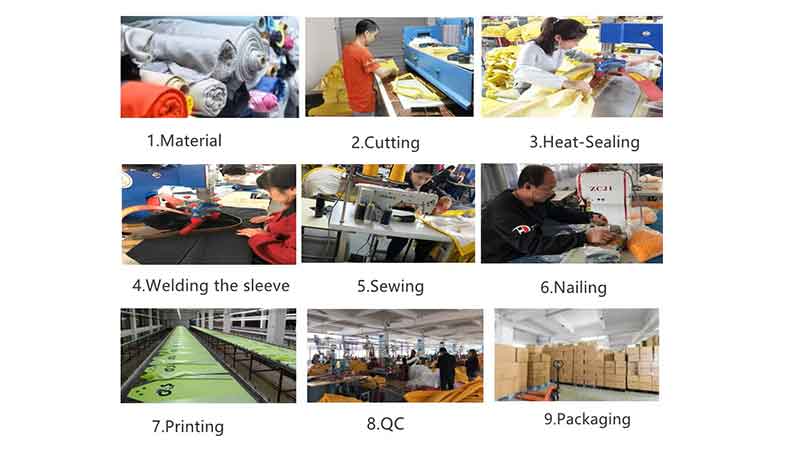
Consider Seam Construction and Waterproof Details
Even high-performance fabrics can fail if seams are not properly sealed.
Buyers should check:
- Seam tape
- Heat sealing
- Waterproof welding methods
A complete waterproof system requires both quality fabric and reliable construction.
3. Choose Cold Weather Poncho Solutions for Different Missions
A military poncho is often used in changing weather conditions.
For cold environments, buyers should consider whether the poncho supports additional insulation layers.
Poncho Liner and Thermal Layer Compatibility
A poncho with liner compatibility can improve cold-weather performance.
Synthetic insulation is commonly preferred because it performs better in wet conditions.
The key is creating a flexible system that works with other field equipment.
Balance Warmth, Weight, and Packability
Heavy materials may provide more protection but increase carrying burden.
For mobile operations, buyers should evaluate thermal performance and packable design together.
The best solution depends on mission duration and climate conditions.
4. Verify Military Poncho Specifications and Testing Requirements
Professional buyers should not only check product appearance.
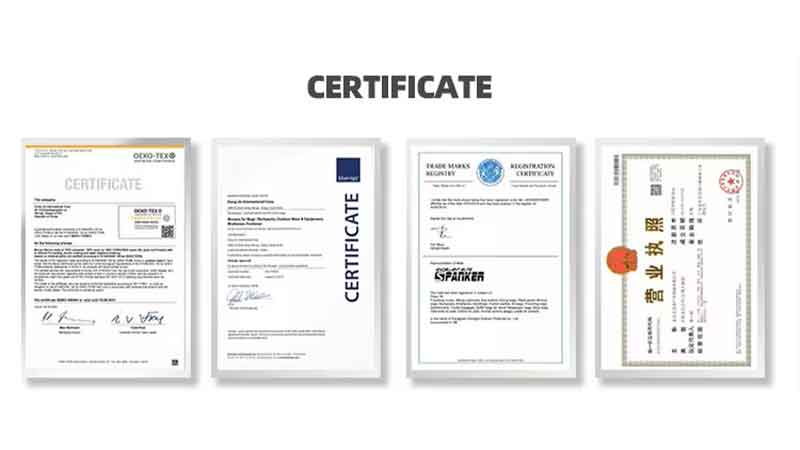
They should request technical documents that prove performance.
Request Material and Performance Reports
Important documents include waterproof testing, tear resistance testing, abrasion testing, and material traceability records. Buyers should also refer to ASTM textile testing standards when evaluating fabric performance and durability requirements.
Check Supplier Quality Documentation
A reliable supplier should provide clear product information before bulk orders.
This includes:
- Material specifications
- Production records
- Inspection reports
Proper documentation reduces procurement risks.
5. Evaluate Design Features for Field Operations
A good military poncho should support different operational needs.
Small design details can directly affect user experience.
Check Hood, Closure, and Equipment Compatibility
Important features include:
- Adjustable hood
- Secure drawcord
- Reinforced snaps
- Backpack compatibility
These details improve comfort during outdoor missions.
Consider Multi-Use Tactical Configurations
Military ponchos can be used as:
- Rain protection
- Emergency shelter
- Groundsheet
A multifunctional design increases equipment value.
6. Control Procurement Cost Through Practical Material Selection
Many buyers focus on specifications first, but final purchasing decisions often depend on budget.
From SONICE’s experience, customers usually start by asking about stock availability and MOQ requirements.
After communication, their main concern often becomes whether the final price fits their procurement plan.
Standard Materials Can Reduce First Order Risk
Some buyers initially request:
- Higher fabric weight
- Special waterproof requirements
- Custom camouflage patterns
However, after reviewing costs, many customers choose standard materials and standard colors for their first order.
This approach helps reduce investment pressure while testing product performance.

7. Choose the Right Supplier for Long-Term Tactical Poncho Supply
Selecting a supplier is not only about one shipment.
Defense and tactical buyers need stable production, consistent quality, and reliable communication. When evaluating a long-term supplier, buyers should also review the manufacturer’s ISO 9001 quality management system to understand how the factory controls production quality and maintains consistency.
Evaluate Supplier Capability Before Bulk Orders
Before cooperation, buyers should confirm:
- Production capacity
- MOQ requirements
- Lead time
- Customization ability
A reliable supplier helps reduce unexpected delays.
Start With Samples Before Large Procurement
For new projects, sample testing is a practical step.
It allows buyers to confirm:
- Material performance
- Product quality
- Field suitability
Small testing orders can reduce risks before large-scale purchasing.
SONICE Tactical Poncho Procurement Support
Choosing the right poncho material requires a balance between performance and cost.
SONICE supports tactical and defense buyers with material selection, customization options, and bulk production solutions.
From standard models to customized requirements, SONICE helps customers build reliable poncho supply plans for different operational environments.
Get Instant Quote
Looking for a reliable military poncho supplier?
Share your requirements, including:
- Material preference
- Quantity
- Color requirements
- Waterproof specifications
- Customization needs
SONICE can provide suitable solutions and competitive pricing for your tactical procurement project.