Introduction:
Choosing the right Non-Ballistic Helmet can help procurement teams balance impact protection, comfort, and budget control for different operational needs. This guide explains the key differences between bump helmets and ballistic helmets, including materials, applications, accessories, and supplier evaluation factors. Based on SONICE’s experience supporting tactical equipment buyers, we share practical insights to help reduce unnecessary costs and avoid unsuitable purchases. By the end of this guide, you will understand how to select reliable helmet solutions based on mission requirements and procurement goals.
1. Define Your Mission Before Choosing a Non-Ballistic Helmet
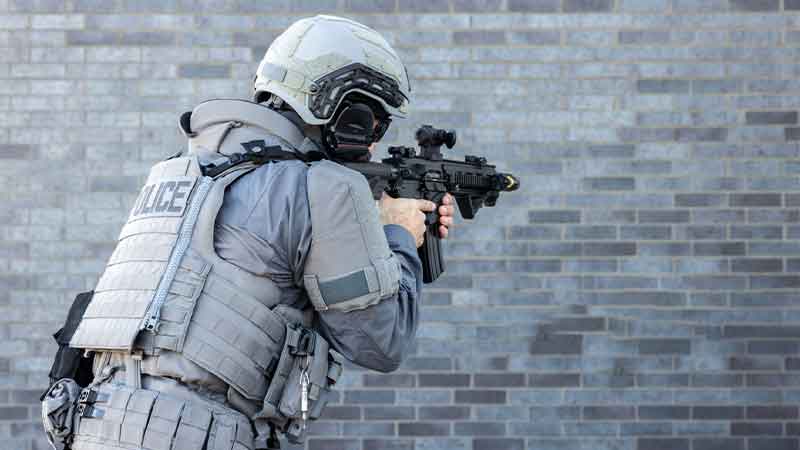
Choosing the right helmet starts with understanding the real working environment. A Non-Ballistic Helmet is designed to protect users from impact risks instead of ballistic threats. It is commonly used for tactical training, rescue operations, security support, and industrial applications.
Many buyers begin their inquiry with a simple request: “I need a tactical helmet.” However, they often do not know which helmet type fits their actual needs. The final decision usually depends on the mission requirements and budget limitations.
Why Product Names Are Not Enough for Procurement Decisions
The term “tactical helmet” covers different product categories. Some users need lightweight impact protection for training, while others require ballistic protection for higher-risk environments.
From SONICE’s experience, buyers usually clarify their requirements after communication. They start by discussing general needs and later focus on application scenarios and purchasing costs.
2. Compare Bump Helmets and Ballistic Helmets Before Purchasing

Bump helmets and ballistic helmets serve different purposes. A bump helmet focuses on impact protection from falls, collisions, and equipment contact, while a ballistic helmet provides protection against projectile threats. Buyers evaluating ballistic options should review recognized standards such as NIJ ballistic protection standards.
Choosing the wrong helmet type can increase costs without improving actual performance. For many training or rescue applications, a lightweight bump helmet can provide a more practical and cost-effective solution.
Select Protection Level Based on Real Usage
Before making a purchase decision, buyers should consider where the helmet will be used, what risks exist, and how long users will wear it.
These factors help determine the correct protection level and helmet configuration. A higher protection level is not always the best choice if it does not match the actual mission.
3. Evaluate Helmet Materials and Construction Before Bulk Orders

Helmet materials directly affect weight, durability, comfort, and price. Different shell materials create different performance balances, so procurement teams should review specifications carefully before placing large orders.Buyers can also refer to ASTM textile and material testing standards when evaluating durability and performance requirements.
Understanding the differences between materials helps buyers choose the right product without paying for unnecessary features.
Choose the Right Shell Material for Your Budget
ABS helmets are commonly selected for training and impact protection applications. They provide reliable performance while keeping purchasing costs under control.
For projects that require lighter weight or higher performance, buyers may consider carbon fiber, UHMWPE, or aramid fiber. These materials offer advantages but usually increase the overall procurement investment.
Check Construction Details Before Ordering
A helmet is not only about the outer shell. Buyers should also review the retention system, padding design, strap quality, and accessory compatibility.
These details directly influence wearing comfort and service life, especially when users wear helmets for extended periods.
4. Request Testing Data and Supplier Documents Before Ordering

A reliable procurement decision requires more than product images. Buyers need technical information to confirm whether the helmet matches project requirements.For buyers targeting the US market, they should also review applicable consumer product safety requirements.
Before confirming bulk orders, procurement teams should request product specifications, material details, testing reports, and inspection records.
Confirm Requirements Before Production
Different customers have different expectations. Some focus mainly on impact protection, while others need additional documentation for internal approval or project compliance.
Clear communication before production helps reduce unnecessary changes and delivery delays.
5. Select Helmet Accessories Based on Real Operational Needs

Modern tactical helmets often work with additional equipment. Accessories influence both functionality and user experience.
Choosing the right configuration requires understanding what equipment users actually need during operations.
Check NVG Mount and Communication Compatibility
Many tactical users require NVG shrouds, side rails, and communication headset compatibility.
A suitable accessory system improves mission flexibility and allows users to adapt the helmet for different operational environments.
Balance Equipment Needs and Helmet Weight
Adding more accessories can increase capability, but it also increases weight. Too many unnecessary components may reduce comfort during long-term use.
Buyers should focus on real operational requirements instead of adding features that may not provide practical value.
6. Reduce Procurement Cost Through Practical Customization
Customization allows buyers to create products that match their specific requirements. However, too many customized options can increase production costs and extend delivery schedules.
A practical customization strategy helps buyers achieve the right balance between personalization and budget control.
Understand What Buyers Really Care About
At the beginning of cooperation, customers usually ask about MOQ, price, and stock availability.
After further communication, many buyers focus more on total purchasing cost and delivery reliability rather than only product features.
Standard Configurations Reduce First Order Risk
Some customers initially request special colors, custom accessories, or unique configurations. However, many projects finally choose standard configurations with simple logo customization.
This approach helps reduce development costs, shorten lead times, and create a lower-risk first order experience.

7. Choose a Reliable Tactical Helmet Supplier for Long-Term Cooperation
Supplier selection affects not only the first order but also future purchasing stability. A reliable supplier should provide consistent quality, stable production, and responsive communication.Buyers should also review whether manufacturers follow structured quality systems such as ISO 9001 quality management.
Long-term cooperation requires more than competitive pricing. Buyers also need dependable supply capability.
Evaluate Supplier Capability Before Bulk Orders
Before cooperation, buyers should review production capacity, quality control processes, lead times, and sample support.
These factors help reduce supply chain uncertainty and improve purchasing confidence.
Start With Samples Before Large Procurement
For new projects, sample testing is a practical step before large investments. It allows buyers to confirm product fit, material quality, and accessory compatibility.
Small trial orders help customers understand product performance and make a more stable purchasing decision.

SONICE Tactical Helmet Procurement Support
Selecting the right non-ballistic helmet requires balancing mission requirements, product performance, and budget. SONICE provides tactical helmet solutions, customization support, and bulk production services for global buyers.
From initial samples to large-scale production, SONICE helps procurement teams build reliable and stable helmet supply solutions.

Get Instant Quote
Looking for a reliable tactical helmet supplier?
Share your requirements, including helmet type, quantity, accessories, and customization needs. SONICE will provide suitable solutions and competitive pricing for your project.