

Introduction
Choosing the right Tactical Gear Companies is a critical step for defense suppliers, security organizations, and procurement teams. Many buyers focus only on product prices, but reliable sourcing also depends on supply capability, compliance, customization options, and delivery stability. Based on real procurement experience, professional suppliers can help reduce communication costs and improve project efficiency. This guide explains 7 key factors to evaluate tactical equipment suppliers and helps buyers make safer purchasing decisions in 2026.
1. Evaluate Product Range Before Choosing Tactical Gear Companies
Selecting a tactical equipment supplier is not only about finding one product at a competitive price. Defense buyers need to check whether a supplier can provide a complete equipment solution.
A reliable supplier should support multiple categories, including plate carriers, tactical helmets, backpacks, gloves, boots, and uniforms.
Working with one capable supplier can simplify communication, improve product consistency, and reduce supply chain complexity.
Why Product Coverage Matters for Defense Procurement
Many procurement teams start with a single request, such as tactical boots or tactical vests. However, after discussing the complete project requirements, they often need additional equipment.
From SONICE’s experience, buyers usually look for suppliers who can provide complete tactical solutions instead of managing multiple vendors.
This approach helps procurement teams save time on supplier communication, quality control, and delivery coordination.
2. Verify Manufacturing Capability and Supply Stability
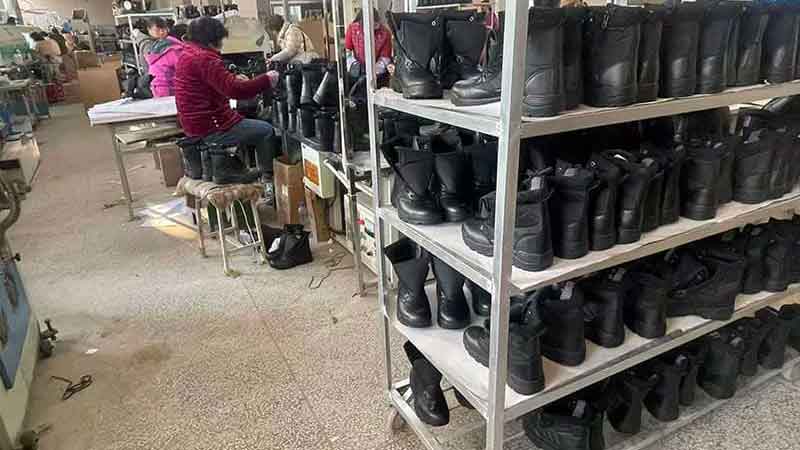
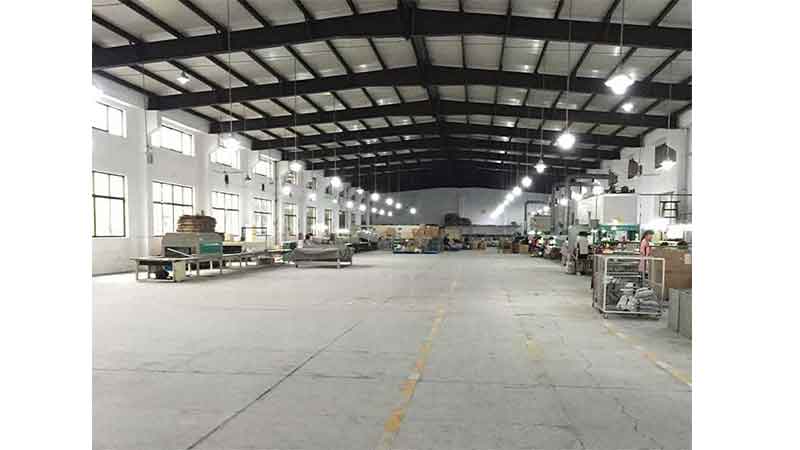
A tactical gear supplier must have more than product catalogs. Buyers should evaluate factory capability, production capacity, quality systems, and long-term supply ability.
For defense and security projects, unstable production can create serious delays. A supplier should provide clear information about production capacity and lead time control.
Before placing large orders, procurement teams should confirm whether the supplier can maintain consistent quality across repeated shipments.
Check Factory Experience and Production Process
Experienced manufacturers usually understand the requirements of different tactical applications. They can recommend suitable materials, structures, and configurations.
Buyers should review factory information, quality inspection processes, and previous supply experience.
A professional supplier should support sample validation, production inspection, and documentation support before bulk delivery.
3. Compare Compliance Standards and Documentation Support
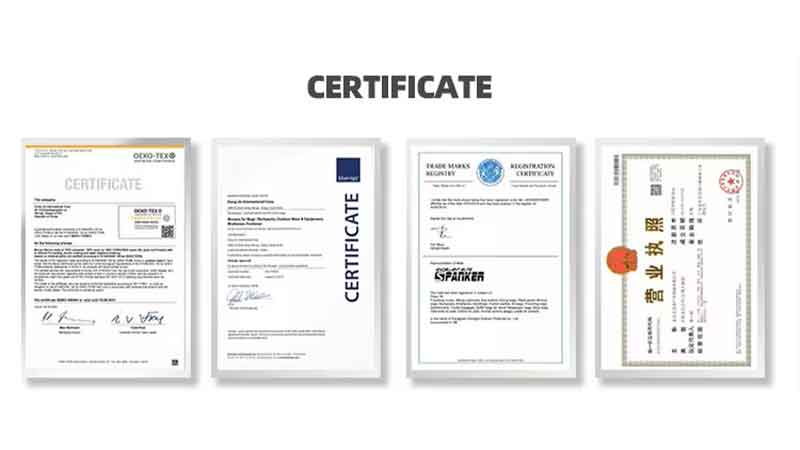
Defense procurement projects often require more than product performance. Compliance documents and testing records are important parts of supplier evaluation.
Buyers should check whether products have related testing reports, quality documents, and certification records.
This information helps procurement teams reduce approval difficulties during government projects or security contracts.
Request Product Testing Information
Different tactical products may require different documentation.
For example:
- Plate carriers may require armor compatibility information.
- Helmets may require protection testing.
- Tactical gloves and uniforms may require material testing.
A reliable supplier should provide clear technical documents to support procurement evaluation and approval processes.
4. Evaluate Customization Options Without Increasing Procurement Risk
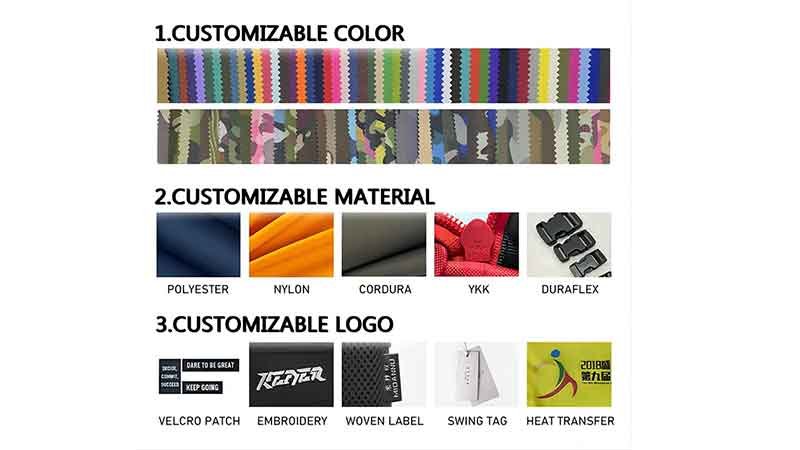
Customization is common in defense and security procurement. Buyers may request special colors, logos, unit markings, packaging, or product configurations.
However, excessive customization can increase cost and extend delivery time.
The key is finding the right balance between custom requirements and production efficiency.
Standard Models With Light Customization Reduce Risk
Many buyers request full OEM solutions at the beginning. However, after reviewing cost, production time, and order complexity, they often choose standard products with light customization.
From SONICE’s experience, options such as logo printing, labels, packaging adjustment, and color selection can meet branding requirements without creating unnecessary production risks.
This approach is especially suitable for first orders and market testing.
5. Review MOQ, Pricing, and Lead Time Before Bulk Orders
Price is important, but the lowest quotation is not always the best choice.
Procurement teams should evaluate the relationship between MOQ, pricing structure, and delivery schedule.
A supplier with stable production and reasonable lead time can often provide better long-term value.
Understand Factors That Affect Final Cost
The final quotation depends on several factors:
- Product category
- Material specification
- Quantity
- Customization requirements
- Packaging method
For example, different fabrics, accessories, and structural designs may significantly affect production costs.
Clear requirements help suppliers provide more accurate pricing.
6. Test Products Before Large-Scale Procurement
First-time cooperation always involves uncertainty. Even experienced buyers need to confirm product performance before signing large contracts.
A small trial order allows buyers to evaluate product quality, delivery performance, and supplier communication.
This process reduces risk before expanding to larger quantities.
Why Trial Orders Help Build Long-Term Partnerships
Trial orders allow procurement teams to verify:
- Material quality
- Product specifications
- Packaging requirements
- Delivery reliability
- User feedback
From SONICE’s experience, many successful long-term partnerships begin with small orders before moving into larger supply agreements.
7. Choose a Supplier That Supports Long-Term Cooperation
A tactical gear supplier should not only complete one order. Defense and security buyers usually need continuous supply, replacement parts, and future product support.
Long-term cooperation depends on stable quality, reliable communication, and continuous improvement.
Evaluate After-Sales Support and Future Supply
Before cooperation, buyers should ask about:
- Warranty policies
- Repair support
- Spare parts availability
- Future product updates
A reliable tactical gear company should help customers maintain operational readiness after delivery.
Why SONICE Is a Reliable Tactical Gear Supplier
Choosing the right supplier can directly affect project success. Buyers need a partner who understands product requirements, procurement processes, and delivery challenges.
SONICE provides B2B tactical equipment solutions for defense suppliers, security companies, and wholesale buyers worldwide.
With support for multiple product categories, customization options, quality control, and bulk supply, SONICE helps customers reduce sourcing complexity and improve procurement efficiency.
Get Instant Quote
Looking for a reliable tactical equipment supplier?
Send SONICE your requirements, including:
- Product categories
- Quantity
- Customization needs
- Delivery schedule
- Documentation requirements
Our team can help you select suitable tactical gear solutions and provide a competitive quotation for your project.