
Introduction
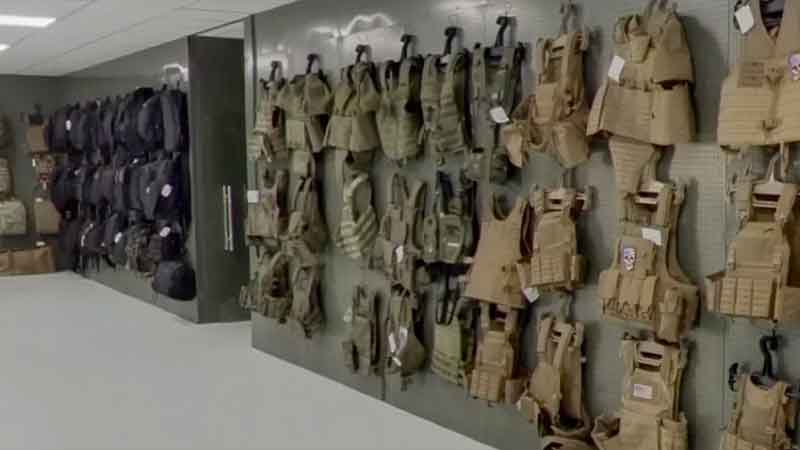
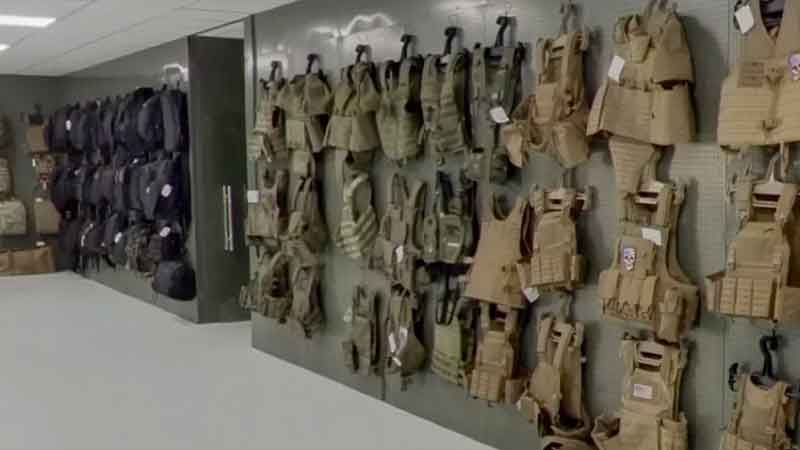
Choosing military tactical vests in 2026 is not only about adding more MOLLE, pouches, or protection features. Procurement teams need to compare vest type, fabric specification, plate compatibility, price, lead time, and real mission use before placing bulk orders. In real sourcing projects, many buyers start with broad requests such as “military tactical vests,” but the final choice often becomes a plate carrier, MOLLE tactical vest, or chest rig. From SONICE’s experience, the safest path is often a standard model with light customization. This guide will help you reduce cost, shorten lead time, and lower bulk procurement risk.
State Procurement Goals Before Choosing Tactical Vests
Before selecting any vest model, procurement teams should define the real purpose of the order. A vest used for government tender, patrol duty, training, border security, or private security will not need the same structure.
Start by listing target end users, expected quantity, delivery deadline, budget range, and mission role. This step helps avoid buying a vest that looks complete but does not match real field use.
You should also decide whether the order requires body armor capability or only load-bearing function. This single decision will affect product type, price, weight, testing documents, and lead time.
Product Types Overview: Match Tactical Vests to Real Procurement Needs
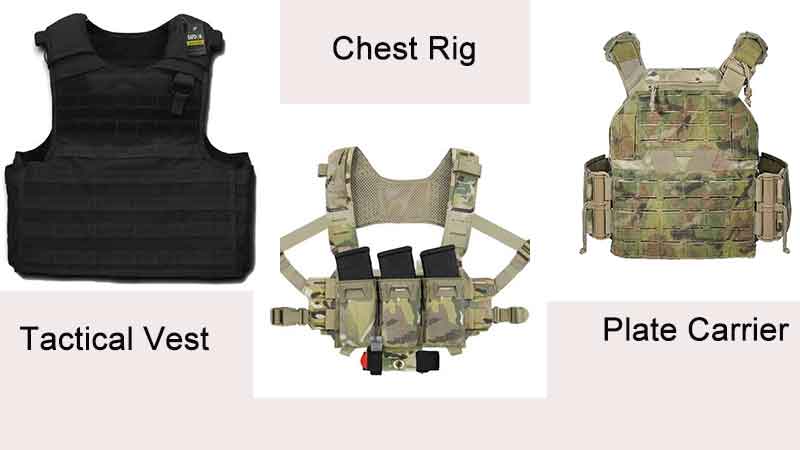
Many buyers use terms like tactical vest, plate carrier, MOLLE vest, and chest rig in the same inquiry. However, these products do not serve the same purpose.
A plate carrier is mainly designed for ballistic plate carriage and body protection. It is usually selected when users need front and rear plate pockets, side plate options, and higher protection compatibility.
A MOLLE tactical vest is more suitable for carrying pouches, radios, tools, and mission equipment. It focuses on modular attachment, team distribution, and flexible loadout planning.
A chest rig is designed for lightweight load carriage. It works well when mobility, low profile, fast magazine access, and reduced weight matter more than full-torso coverage.
SONICE Product Selection Insight: Avoid Over-Specification in First Orders
In real military tactical vest inquiries, many buyers start with broad terms such as “military tactical vests” or “tactical vest.” After communication, the real need usually separates into plate carrier, MOLLE tactical vest, or chest rig.
This distinction matters because each product solves a different procurement problem. If the buyer needs ballistic plate compatibility, a plate carrier is usually the right direction.
If the buyer needs modular pouch attachment and equipment carriage, a MOLLE tactical vest may be more practical. If the buyer needs mobility and fast access to magazines or radios, a chest rig may be the better option.
From SONICE’s experience, most bulk buyers do not make final decisions based on maximum feature stacking. They care more about price, lead time, real-use matching, and low-risk customization.
For many buyers, a standard model with light customization is easier to approve than a complex full OEM design. It can reduce cost, shorten sample time, simplify communication, and lower risk before larger production.
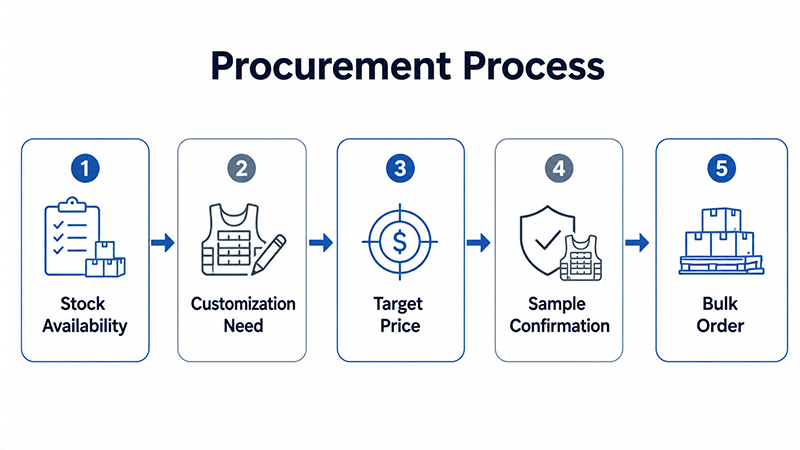
Plate Carriers: Body Armor and Ballistic Plate Compatibility
A plate carrier should be reviewed as a body armor platform, not only as a tactical vest. The first detail to confirm is plate pocket size, plate cut, and whether the carrier supports front, rear, and side plates.
Common plate references may include SAPI-style plates, shooter cut plates, or other regional plate formats. Buyers should confirm plate dimensions before sample production, because pocket mismatch can make the vest unusable.
Plate material also affects comfort, weight, and cost. Ceramic, PE, steel, and composite plates each have different tradeoffs in protection level, weight, thickness, and long-term wearability.
If emergency removal is required, the plate carrier should include a quick release system. Procurement teams should confirm shoulder release, cummerbund release, and reset difficulty before approving the final design.
Tactical Vest Variants: MOLLE Vests and Load-Bearing Designs
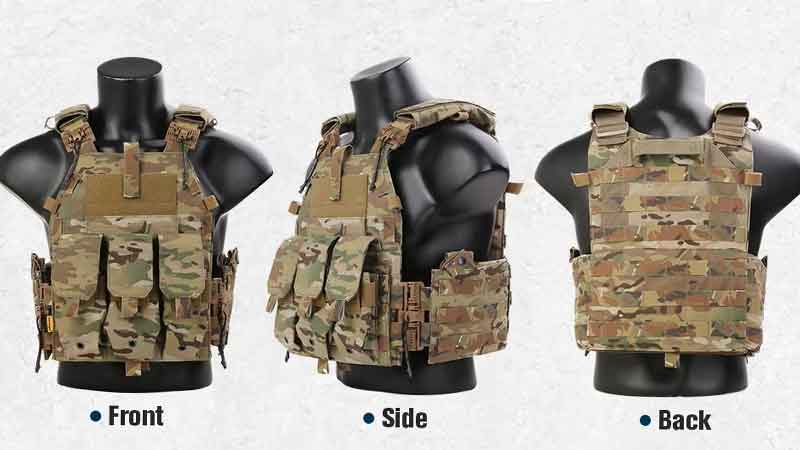
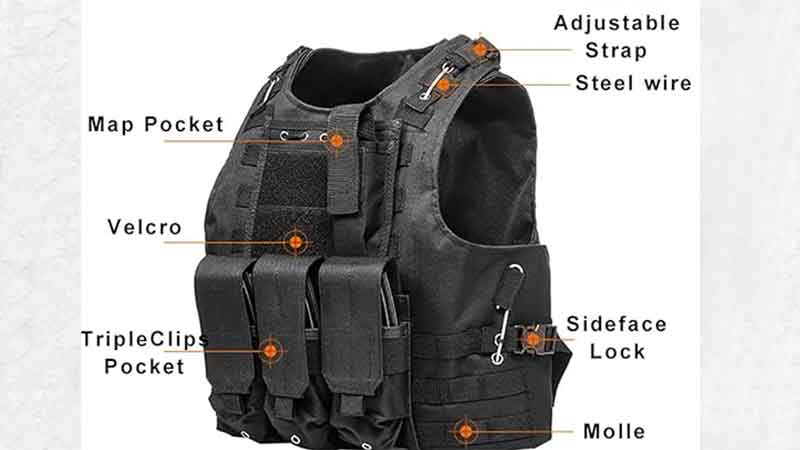
A MOLLE tactical vest is usually chosen when users need equipment carriage instead of ballistic protection. It can carry magazine pouches, radio pouches, medical kits, utility pouches, and hydration systems.
Buyers should compare full-torso designs with lighter harness-style variants. Full-torso vests provide more coverage and pouch space, while harness-style designs improve mobility and heat management.
MOLLE coverage should be clearly defined before quotation. Front panel, back panel, side panel, cummerbund, and shoulder areas may all affect material use, sewing time, and final price.
A removable cummerbund can improve flexibility for different users. It also helps buyers adjust the vest for different body types, loadouts, and mission requirements.

Chest Rigs and Minimal Loadouts
Chest rigs are useful when users need fast access to magazines, radios, or small equipment without carrying full body coverage. They are often preferred for training, vehicle operations, and mobility-focused missions.
Before selecting a chest rig, buyers should define magazine capacity targets. For example, they may need rifle magazine pouches, pistol magazine pouches, radio pouches, admin space, or medical pouch placement.
A low-profile harness is important when users need to move quickly or wear the rig under another layer. The structure should balance load stability, shoulder comfort, and fast access.
For bulk orders, chest rigs often provide a lower-cost and faster-delivery option. They can be a practical solution when full protection is not required.
Key Features: Quick Release, MOLLE, Padding, and Sizing
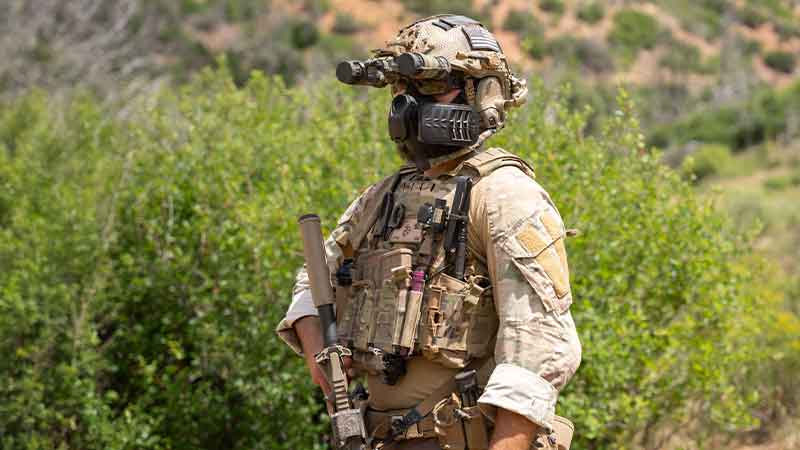
A good tactical vest should not only look complete. It must perform under weight, movement, repeated adjustment, and long wearing time.
The quick release mechanism should be clearly specified. Buyers should confirm release location, release direction, reset method, and whether the system can be operated with one hand.
MOLLE spacing and stitching quality are also important. Poor MOLLE alignment can reduce pouch compatibility, while weak webbing or stitching can cause failure during field use.
Shoulder padding and cummerbund padding affect user comfort. If the vest carries plates or heavy pouches, proper weight distribution can reduce shoulder pressure and improve mobility.
Materials and Durability: Fabric, Stitching, and Plate Options
Material choice is one of the biggest cost and lead-time factors in tactical vest procurement. Common options include 600D polyester, 900D polyester, 1000D nylon, Cordura-style fabric, and ripstop fabric.
Higher-strength fabrics usually improve durability, but they may increase cost and production time. That is why buyers should match fabric specification to the real mission instead of choosing the heaviest option by default.
Stitching quality should be reviewed at stress points. Bar tack stitching, reinforced seams, thread strength, and webbing quality all affect long-term durability.
If ballistic plates are included, buyers should compare ceramic, PE, steel, and composite options. Each plate material has different advantages in protection, weight, price, and comfort.
Protection and Compliance: Body Armor Standards
If the vest requires armor protection, compliance must be discussed early. Buyers should confirm whether soft armor inserts, hard plates, or both are needed.
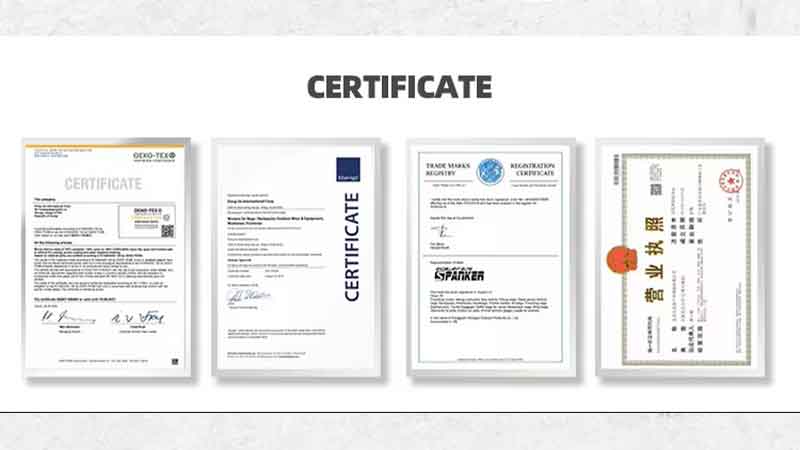
For body armor projects, procurement teams may request NIJ certification, ballistic test data, batch traceability, and material documents. These requirements should be included before quotation.
Export control and local regulations also matter. Some markets have strict rules for ballistic plates, armor carriers, or protective inserts.
Do not wait until production is almost ready to ask for documents. Late compliance requests may affect sample plans, price, delivery time, and project approval.
Fit, Ergonomics, and Mobility
Fit is critical for tactical vest performance. A vest may have good materials and many features, but it will fail in real use if users cannot move comfortably.
Buyers should request a clear sizing chart with chest width, waist range, shoulder adjustment, torso length, and cummerbund size. This helps reduce user complaints after distribution.
Mobility testing should include walking, running, kneeling, shoulder movement, weapon handling, and vehicle entry. These tests help confirm whether the vest works with real mission movement.
For larger orders, procurement teams should test samples on common user body types. This can reduce risk before approving bulk production.
Loadout and Modularity: Pouches, Mag Fit, and Accessories
A tactical vest becomes more useful when the loadout is planned clearly. Buyers should list required pouch types before ordering.
Common pouch options include rifle magazine pouches, pistol magazine pouches, admin pouches, radio pouches, utility pouches, medical pouches, and hydration carriers.
Magazine compatibility should be confirmed by size and retention method. A pouch that fits one magazine type may not work for another, so buyers should check rifle and pistol magazine fit early.
Radio and hydration integration also matter. Cable routing, hydration tube access, rear panel design, and radio placement can affect field usability.
Quick Release Systems: What Buyers Should Check
Quick release systems are important when users need emergency doffing or fast removal. However, not every project needs a complex release structure.
Common options include mechanical release, buckle release, magnetic-style systems, and cable-based systems. Each option has different tradeoffs in cost, reliability, and reset difficulty.
Buyers should request simple release testing before bulk approval. The system should be easy to activate, but not so loose that it releases by mistake.
For humid, coastal, or hot-weather environments, corrosion resistance also matters. Salt-spray or corrosion test data can help reduce long-term failure risk.
Best Tactical Vests Selection Criteria
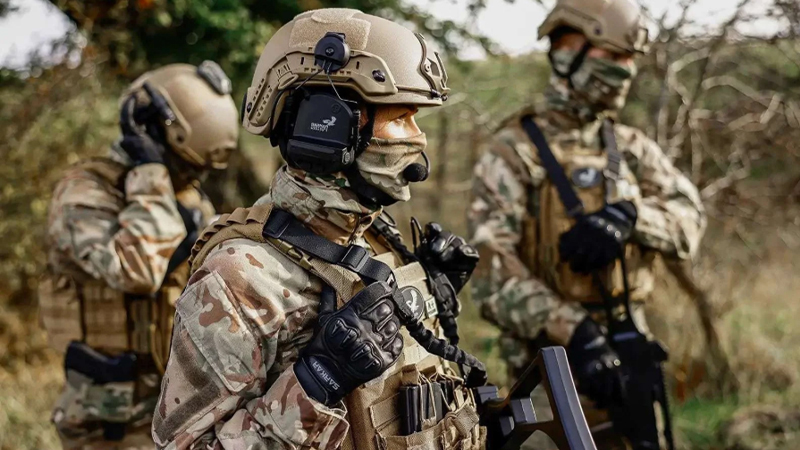
The best tactical vest is not always the vest with the most features. It is the vest that matches mission role, budget, user comfort, delivery deadline, and compliance needs.
Procurement teams can score products by protection, weight, mobility, modularity, price, lead time, and service support. This makes vendor comparison more objective.
Field trials are strongly recommended before large orders. Samples should be tested under real load, real movement, and real user feedback.
Buyers should also check spare-parts availability. Replacement buckles, straps, cummerbunds, shoulder pads, and pouches can affect lifecycle cost.
Comparative Matrix: Plate Carrier vs Tactical Vest vs Chest Rig
A comparison table helps buyers choose faster. It also prevents teams from treating every vest as the same product.
| Product Type | Main Role | Protection | Weight | Mobility | Cost | MOQ | Lead Time |
| Plate Carrier | Body armor / plate carriage | High | Medium to High | Medium | Higher | Medium | Longer |
| MOLLE Tactical Vest | Load-bearing / pouch attachment | Low to Medium | Medium | Medium | Medium | Medium | Medium |
| Chest Rig | Lightweight loadout | Low | Low | High | Lower | Lower | Shorter |
For most buyers, the final decision depends on mission role, budget, delivery deadline, and protection requirements. A plate carrier is not always better, and a chest rig is not always too simple.
The right choice should reduce over-specification. It should also make pricing, sampling, and delivery easier to manage.
Accessories and Add-Ons
Accessories can improve field performance, but they also affect price and lead time. Buyers should confirm which accessories are required and which are optional.
Common accessories include ballistic plates, magazine pouches, holsters, medical pouches, radio pouches, hydration carriers, utility pouches, and tourniquet holders.
Holster retention and mounting options should be checked carefully. A holster may need MOLLE mounting, belt mounting, drop-leg setup, or specific retention levels.
Medical pouch and tourniquet placement should be planned for fast access. If users cannot reach the pouch quickly, the accessory design may fail its real purpose.
Maintenance, Repair, and Warranty
Maintenance planning helps extend product life. Buyers should ask for cleaning methods, drying instructions, inspection cycles, and storage guidelines.
Users should regularly check MOLLE webbing, stitching, buckles, straps, plate pockets, and quick release parts. Early inspection can prevent small damage from becoming larger failure.
Repair parts should be discussed before bulk orders. Replacement buckles, shoulder pads, cummerbunds, straps, and pouches may be needed during long-term use.
Warranty scope should also be clear. Buyers should confirm what is covered, what is excluded, and how claims are handled after delivery.
Sourcing, Pricing, and Procurement Process
Clear RFQ information helps suppliers quote faster and more accurately. Buyers should provide vest type, quantity, target price, fabric requirement, color, plate compatibility, MOLLE layout, logo method, packaging, and delivery deadline.
Bulk pricing should be requested by quantity tiers. For example, buyers can ask for 100 pcs, 300 pcs, 500 pcs, 1,000 pcs, and larger-volume pricing.
Sample timelines should also be confirmed early. A sample order may include design confirmation, material selection, sewing, logo approval, packaging review, and user validation.
Logistics planning should include production time, inspection time, packing time, shipping method, and delivery estimate. These steps help control lead-time risk.
SONICE Bulk Order Experience: Fabric Specification Drives Price and Lead Time
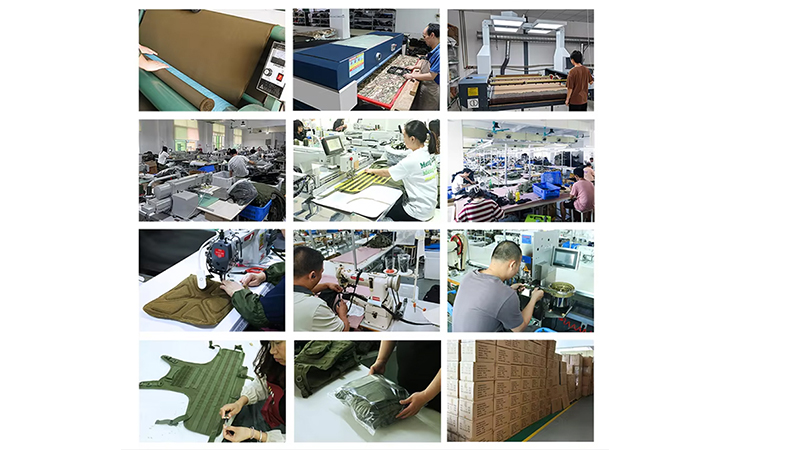
In tactical vest, plate carrier, and MOLLE vest projects, fabric specification is one of the most important factors affecting price and lead time.
Different materials such as 600D polyester, 900D polyester, 1000D nylon, Cordura-style fabric, mesh lining, and reinforced webbing can create very different costs and schedules.
From SONICE’s experience, many buyers initially request complex OEM designs. But after reviewing price, sample time, and delivery risk, they often adjust to standard models, stock models, or light customization.
This is especially common for first orders, urgent delivery projects, and price-sensitive tenders. A practical approach is to start with a proven standard vest structure.
Then buyers can adjust fabric, color, logo, packaging, or selected accessories based on final procurement needs. This helps reduce sourcing risk while keeping enough customization for branding or tender requirements.
Risk Assessment and Field Trial Plan
A 30–90 day field trial can reduce bulk order risk. It allows buyers to test fit, stitching, pouch layout, quick release, plate pocket fit, and user comfort before approving large production.
The trial should include real movement, repeated wearing, pouch loading, cleaning, and user feedback. This helps confirm whether the vest works under real conditions.
Pass or fail criteria should be defined before testing begins. Key criteria may include fit stability, MOLLE strength, quick release reliability, stitching performance, and comfort.
After-action feedback should come from end users, team leaders, and procurement officers. This helps finalize sizing, materials, layout, and customization level.
Content Assets Buyers Should Request
Good technical documents help buyers make faster decisions. They also help internal teams compare models and approve procurement.
Each SKU should include material, weight, color, size range, MOLLE layout, plate pocket size, accessories, MOQ, and lead time. This makes product comparison easier.
Buyers should also request product photos, packing details, QC documents, and sample photos. These assets reduce misunderstanding before bulk production.
Quick-start fit and care guides are useful after delivery. They help users adjust, clean, inspect, and store tactical vests correctly.
Final Recommendations and Next Steps
If the buyer is unsure, the safest starting point is to test several model types. A shortlist may include one plate carrier, one MOLLE tactical vest, and one chest rig.
This approach helps procurement teams compare protection, load-bearing, mobility, price, and lead time under the same project conditions.
Before contract approval, buyers should confirm price, MOQ, delivery schedule, payment terms, warranty, inspection process, documents, and compliance checklist.
The best procurement result is not the most complex vest. It is the vest that matches real use, controls cost, meets schedule, and reduces long-term risk.
Get Instant Quote
Send SONICE your quantity, vest type, fabric requirement, plate compatibility, MOLLE layout, logo method, packaging need, and delivery deadline.
We can help you compare plate carriers, MOLLE tactical vests, chest rigs, standard models, and light customization options before bulk ordering.