

Introduction
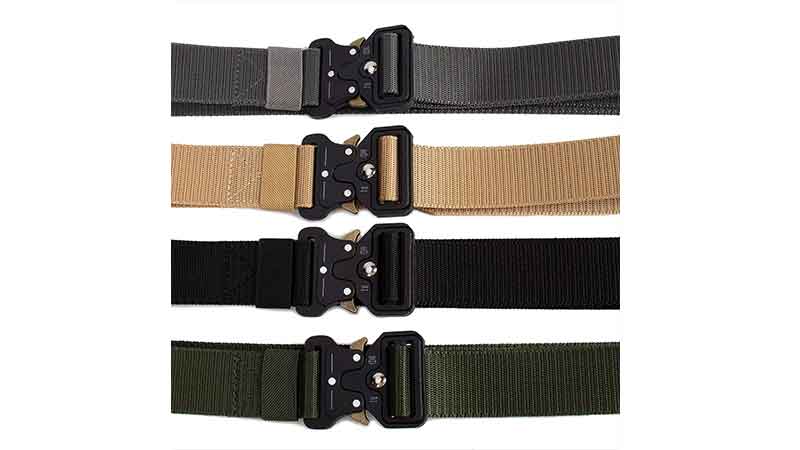
Choosing the right Tactical Belt Supplier is not only about finding stock products. B2B buyers also need to check price, MOQ, lead time, load-bearing design, and customization options before placing orders.
From SONICE’s experience, many customers first ask about stock availability. After further communication, they often focus more on price and delivery time. Logo customization is common, but many buyers choose standard models later to control cost and lead time.
This guide shares 7 practical checks to help B2B buyers choose a reliable tactical belt supplier in 2026.
Check 1: Confirm Stock, MOQ, and Price Before Choosing a Tactical Belt Supplier
Choosing the right Tactical Belt Supplier starts with basic commercial details. B2B buyers should first confirm stock availability, MOQ, unit price, and delivery time before comparing product designs.
This step helps buyers avoid wasting time on models that do not match the project budget. A tactical belt may look suitable, but it still needs to meet cost and supply requirements.
SONICE Procurement Insight: Buyers Start With Stock, Then Focus on Price
From SONICE’s experience, many customers first ask whether tactical belts are available in stock. After further communication, their real concern often becomes the final purchase price.
This is common in B2B projects where buyers compare several suppliers at the same time. Clear pricing helps buyers decide faster and reduces early procurement uncertainty.
Check 2: Review Belt System Structure and Inner Belt Compatibility

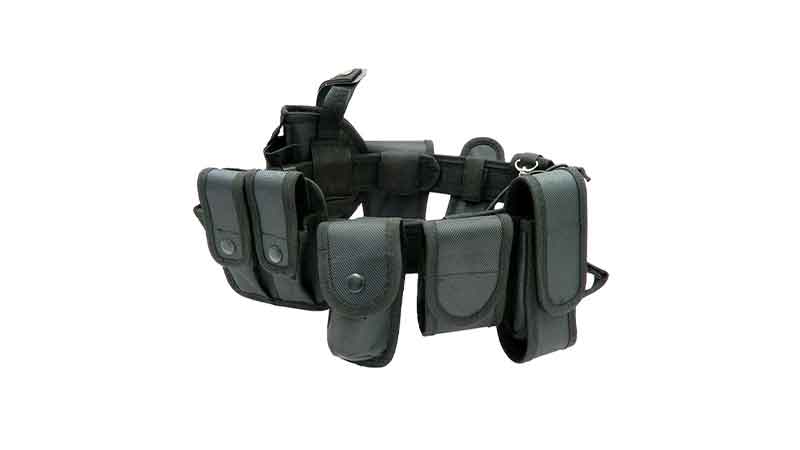
A tactical belt is not only a single waist belt. Many professional systems use an inner belt and outer belt structure to improve support, stability, and comfort.
The inner belt helps keep the system in place during movement. The outer belt carries holsters, pouches, and tactical accessories more securely.
Check Inner Belt Fit and Adjustment Range
Buyers should review the available sizes and adjustment range before placing bulk orders. Poor sizing can affect comfort and reduce the stability of the full belt system.
A reliable supplier should provide clear size information and adjustment tolerance. This helps buyers reduce fit problems and after-sales issues.
Check 3: Match Battle Belt, Duty Belt, and Gun Belt With Real Use
Different tactical belts serve different users. A battle belt may support modular field loadouts, while a duty belt may fit law enforcement equipment and daily duty needs.
A gun belt requires stronger rigidity for holster support. Buyers should choose the belt type based on real use scenarios, not only product appearance.
Belt Type | Belt Type | Key Features | Best For |
Battle Belt | Field loadout and tactical use | MOLLE layout, pouch support, load distribution | Military, outdoor tactical teams |
Duty Belt | Daily duty and law enforcement use | Holster support, radio pouch, handcuff pouch, stable carry | Police, security, law enforcement |
Gun Belt | Weapon and holster support | Higher rigidity, strong buckle, stable weapon position | Firearm users, tactical training |
Inner Belt System | Belt stability and comfort | Inner belt + outer belt structure | Long wear, heavy loadout |
Standard Tactical Belt | General tactical and outdoor use | Lightweight, simple structure, lower cost | B2B distributors, entry-level projects |
Compare Loadout Needs Before Confirming the Model
Procurement teams should check what users need to carry on the belt. Common items include holsters, magazine pouches, radio pouches, medical pouches, tactical pouches, and utility tools.
Once the loadout is clear, buyers can choose a better belt structure. This reduces the risk of buying a belt that cannot support real operational weight.
Check 4: Evaluate Materials, Webbing, Stitching, and Durability
Check Point | What Buyers Should Review | Why It Matters |
Nylon Webbing | Thickness, weave density, surface finish | Affects strength and long-term wear |
Reinforcement Layer | Inner stiffener or support layer | Improves load-bearing stability |
Stitching Quality | Stitch density and reinforced stress points | Reduces tearing during daily use |
MOLLE Webbing | Alignment and spacing | Improves pouch compatibility |
Buckle Area | Connection strength and locking stability | Affects safety and service life |
Hook-and-Loop Area | Grip strength and wear resistance | Affects inner belt stability |
Metal Parts | Anti-corrosion treatment | Useful for outdoor and humid use |
Material quality directly affects belt strength and service life. Buyers can also review relevant textile webbing testing standards when checking abrasion resistance, breaking strength, and long-term durability.
For outdoor or tactical use, the belt must resist pulling, abrasion, sweat, moisture, and repeated adjustment. Strong materials help improve long-term field durability.

Check Wear Points Before Bulk Orders
The most important wear points are usually the buckle area, MOLLE webbing, stitching lines, and hook-and-loop sections. These areas face repeated stress during daily use.
Buyers should ask suppliers for close-up photos or sample testing before confirming large orders. This helps reduce quality risk before mass production.
Check 5: Compare Quick Release Buckles and Fastening Systems

The buckle affects safety, comfort, weight, and price. Some buyers prefer polymer quick release buckles for lighter use, while others choose metal buckles for stronger load support.
A good buckle should lock securely and release smoothly when needed. Buyers should check locking strength and emergency release function before approving the model.
Choose the Buckle Based on Duty Requirements
Not every project needs the most expensive buckle. Light patrol use, training use, and heavy-duty tactical use may require different fastening systems.
Buyers should match the buckle with load, budget, and user environment. This helps control cost while keeping safe and practical performance.
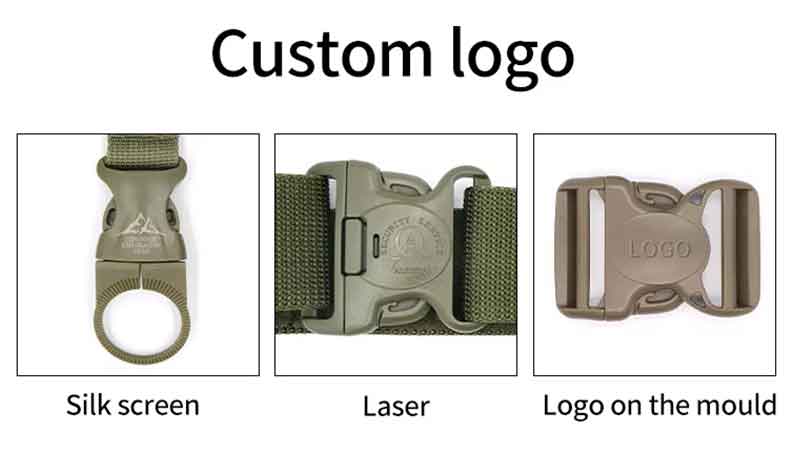
Check 6: Control Custom Logo and OEM Requirements
Customization can help buyers match brand, unit, or project requirements. Common options include logo, color, buckle type, pouch set, size ratio, label, and packaging.
However, complex customization can increase cost and extend delivery time. Buyers should confirm which options are necessary before requesting the final quotation.
SONICE Bulk Order Experience: Standard Models Reduce Cost and Lead Time
From SONICE’s experience, custom logo requests are very common in tactical belt orders. Some buyers first request a complex custom solution.
After reviewing price and lead time, many customers adjust to a standard model with simple logo customization. This helps reduce cost, shorten delivery time, and simplify production.
Check 7: Verify Supplier Capability, Packaging, and Delivery Support
A reliable tactical gear supplier should support buyers beyond the first quotation. Buyers need stable production, clear communication, sample support, and predictable delivery.
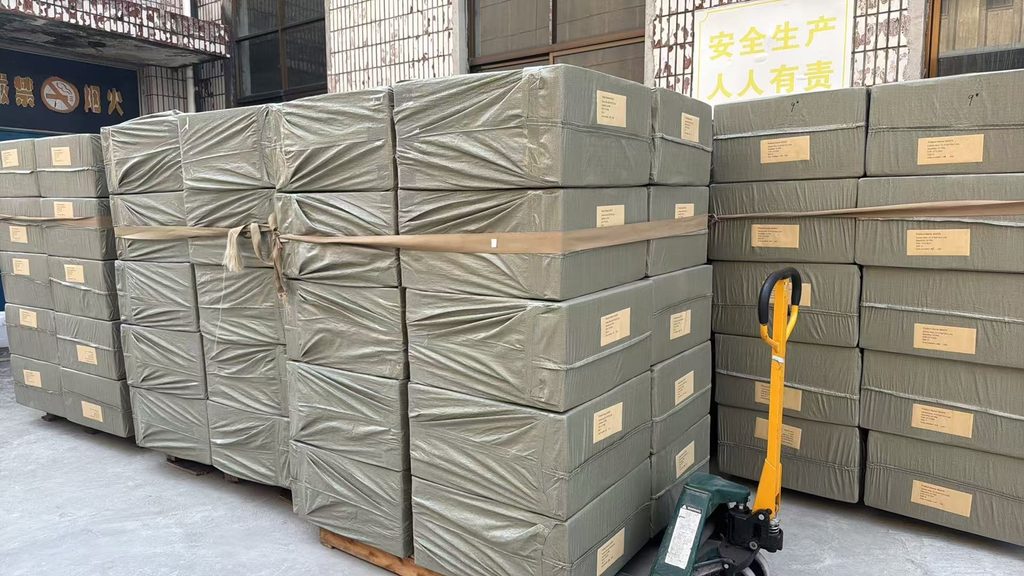
Before bulk orders, buyers should confirm the packaging method and carton details. They should also check inspection steps and the shipment plan. These details help reduce packing errors and delivery problems.
Request Samples Before Large Orders
Sample testing helps buyers check the belt structure and fit. It also helps them review buckle quality, pouch compatibility, and workmanship.
This step shows whether the supplier understands the project needs. For new projects, a small trial order can reduce purchasing risk. Buyers can test the product first, then place larger and more stable orders.
Final Recommendation: Choose a Tactical Belt Supplier Based on Real Procurement Needs
B2B buyers should choose tactical belts based on stock, price, and belt structure. They should also check loadout needs, material strength, buckle safety, and customization risk.For defense-related projects, buyers may also review official defense specifications and standards before confirming technical requirements.
The best supplier is not always the one offering the most complex solution. A practical supplier should help buyers control cost, lead time, and product consistency.

Get Instant Quote
Need a reliable Tactical Belt Supplier for military, security, law enforcement, or B2B distribution? Send SONICE your quantity, target price, size range, color, and buckle type.
You can also share your pouch needs, logo request, packaging method, and delivery time. SONICE will help you compare standard tactical belts, battle belts, duty belts, and simple OEM options.