
Introduction
Sourcing tactical backpacks for defense and security programs is not just about choosing a bag. You need to check mission needs, material strength, budget, delivery time, and customization scope.
At SONICE, we often see buyers ask for custom models first. But after reviewing price and lead time, many choose standard models for bulk orders.
This guide explains key backpack types, materials, modular features, ballistic compatibility, compliance, OEM options, and pricing factors. First, let’s look at how tactical backpacks support real defense and security operations.
Overview: Tactical Backpacks for Defense and Security
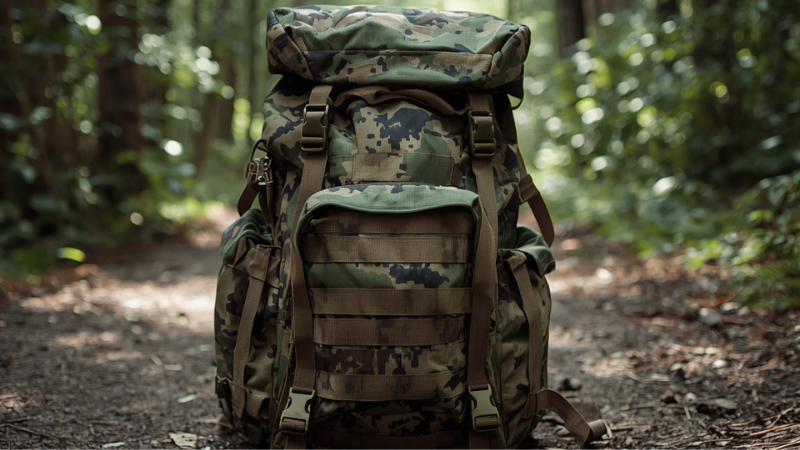
Tactical backpacks help teams carry mission-critical equipment in demanding environments.
For defense and security buyers, they are more than storage bags. They help users organize gear, move efficiently, and keep essential tools within reach.
You may need a tactical backpack for patrol, border security, urban policing, field training, disaster response, or private security deployment.
Each mission creates a different requirement.
A short patrol may need a compact pack with quick access. A 72-hour field mission may need more space, stronger load support, and room for water, medical kits, radios, and personal supplies.
That is why you should not choose tactical backpacks by appearance alone.
You also need to check fabric, stitching, zippers, buckles, MOLLE layout, packing method, price, lead time, and supply stability.
As a tactical backpack manufacturer and wholesale supplier, SONICE supports B2B buyers with standard models, OEM manufacturing, sample support, and tactical equipment sourcing.
If your project needs fast delivery and controlled cost, a standard model may be a better starting point. If your tender requires special colors, logos, camouflage patterns, or structure changes, customization may be worth considering.
Product Range: Tactical Packs and Tactical Bags
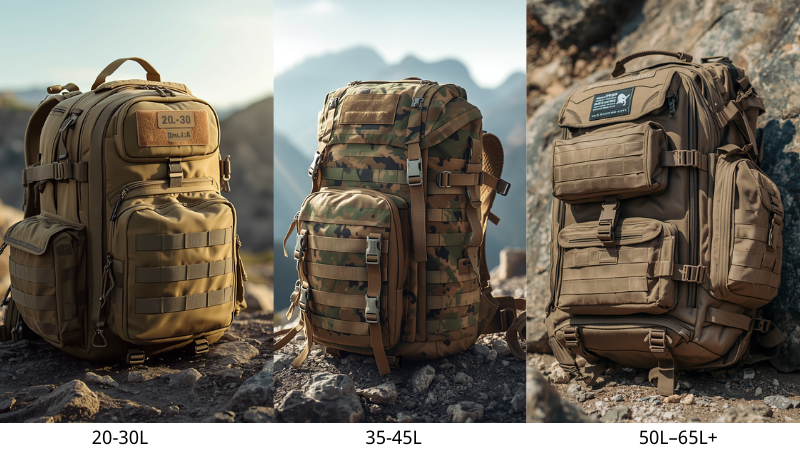
A clear product range makes procurement easier.
Instead of comparing every tactical bag one by one, you can first group them by mission duration and user role.
1-Day Tactical Packs
1-day tactical packs are suitable for short patrols, urban law enforcement, training, and security operations.
They focus on compact size, fast access, lightweight carry, and basic MOLLE attachment. If your team only needs to carry water, radios, first-aid kits, and small personal items, this type of pack may be enough.
| Item | Common Specification |
| Capacity | 20L–30L |
| Fabric | 600D polyester or 500D nylon |
| MOLLE System | Front or side MOLLE webbing |
| Hydration Compatibility | Optional 2L or 3L bladder sleeve |
| Color Options | Black, coyote brown, ranger green, camouflage |
| Suggested Use | Patrol, urban duty, training, security deployment |
3-Day Assault Packs
3-day assault packs are designed for longer missions, usually around 72 hours.
They provide more space for clothing, food, water, medical supplies, communication gear, and field tools.
| Item | Common Specification |
| Capacity | 35L–45L |
| Fabric | 900D polyester or 1000D nylon |
| MOLLE System | Front, side, or bottom MOLLE webbing |
| Hydration Compatibility | Internal bladder compartment with hose port |
| Color Options | Military green, black, coyote brown, digital camouflage |
| Suggested Use | Border patrol, field missions, tactical response |
Extended Mission Backpacks
Extended mission backpacks are used for longer deployment, training, or logistics support.
They need larger capacity, stronger seams, better weight distribution, and reinforced stress points. If your buyers expect heavy load carriage, test this type carefully before bulk ordering.
| Item | Common Specification |
| Capacity | 50L–65L or above |
| Fabric | 1000D nylon or reinforced polyester |
| MOLLE System | Full external MOLLE or hybrid modular platform |
| Hydration Compatibility | 2L / 3L bladder support |
| Color Options | Solid military colors or project-specific camouflage |
| Suggested Use | Solid military colors or project-specific camouflage |
You can also classify tactical bags by role.
Patrol packs support daily movement. Assault packs support 72-hour missions. Medic bags organize trauma supplies. Communication packs protect radios and cables. Hydration packs focus on water carriage.
This role-based method helps you avoid overbuying.
A police tactical unit may not need a large military backpack. A border patrol team may care more about hydration support than a complex internal organizer.
Military Backpacks: Specs, Materials, and Performance
For military backpacks, a specification table is often more useful than a long product description.
It helps procurement teams compare models quickly and reduce misunderstanding during quotation.
Specification Item | What to Check | Procurement Note |
| Model | Patrol, assault, extended mission pack | Choose by mission duration and load type. |
| Capacity | 20L–30L, 35L–45L, 50L–65L+ | Do not compare capacity alone. |
| Fabric Denier | 500D, 600D, 900D, 1000D | Higher denier may improve wear resistance but can add weight. |
| Fabric Type | Nylon, polyester, ripstop fabric | Nylon is stronger. Polyester is more cost-friendly. |
| Coating | PU, PVC, water-repellent treatment | Nylon is stronger. Polyester is more cost-friendly. |
| Zipper Type | YKK®, SBS, heavy-duty zipper | Zippers affect field performance. |
| Buckle Type | Duraflex-style, quick-release, compression buckle | Check strength and replacement availability. |
| MOLLE Layout | Front, side, full external, hybrid platform | Match layout to accessory needs. |
| Hydration Compatibility | 2L / 3L bladder sleeve, hose port | Important for hot climates and long patrols. |
| Plate Pocket Option | No pocket, 10×12 inch, SAPI-compatible | Add only when the mission requires it. |
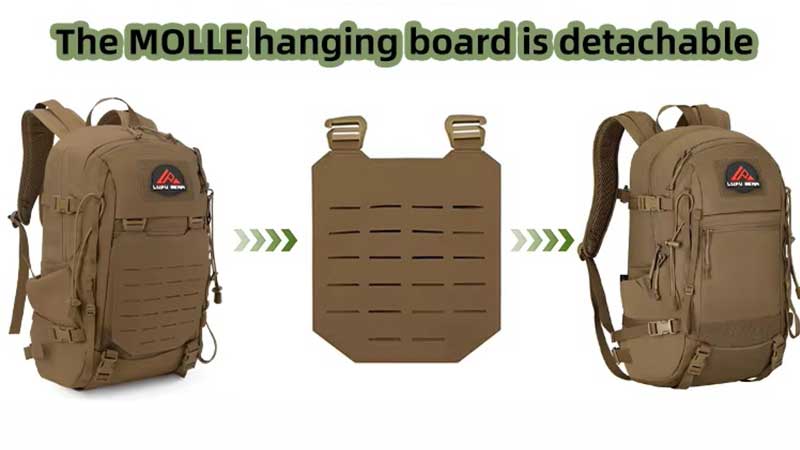
When you compare military backpacks, do not focus only on capacity.
A 45L backpack can perform very differently depending on fabric, stitching, back panel, zipper quality, buckle strength, and load-bearing structure.
Denier describes fiber thickness. Higher denier fabric is usually thicker and more resistant to wear.
500D nylon offers a good balance between weight and strength. 600D polyester is often used for cost-effective tactical bags. 1000D nylon is usually chosen when heavy-duty performance matters more than weight.
Nylon usually offers stronger abrasion resistance and better flexibility.
Polyester is often more cost-friendly and has good color stability. If your project is price-sensitive, polyester may be suitable.
PU coating and PVC coating are common options.
PU coating can improve water resistance while keeping the fabric flexible. PVC coating can add stronger protection, but it may make the material heavier or stiffer.
If users work in wet or dusty environments, coating quality matters.
For heavier loads, an internal frame or reinforced back panel can improve comfort and stability. If your buyers expect long-distance carry, test the pack under real weight.
Materials and Construction
Materials decide the starting point of quality.
Construction decides whether that quality can survive real use.
A tactical backpack may look strong in photos. But the real test comes from seams, stress points, zippers, buckles, and coating stability.
Common fabrics include 500D nylon, 600D polyester, 900D polyester, 1000D nylon, and ripstop fabric.
Ripstop fabric uses a reinforced grid structure. It helps reduce tearing when the fabric is scratched or punctured.
Good stitching can extend service life.
Important construction details include reinforced stitching, bar-tack reinforcement, double stitching, binding tape, reinforced stress points, and bottom panel reinforcement.
Bar-tack reinforcement means dense stitching used in high-stress areas, such as shoulder straps, MOLLE webbing, handles, and load-bearing points.
Zippers are small parts, but they can create big problems when they fail.
Common options include YKK® zippers, SBS zippers, heavy-duty zippers, reverse zippers, and water-resistant zippers.
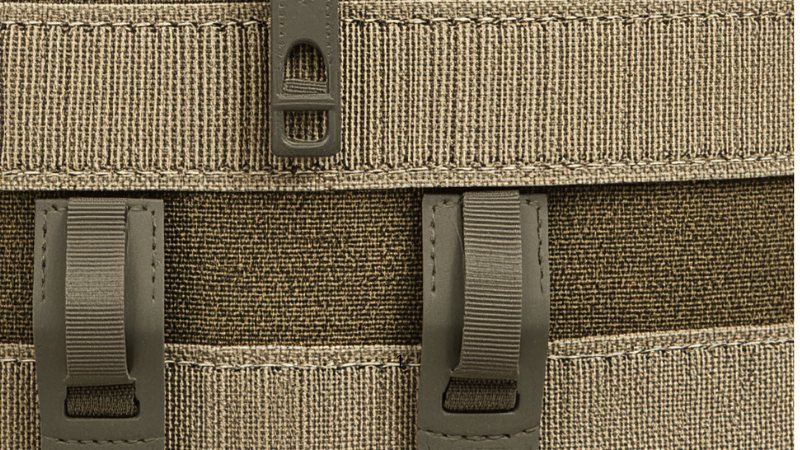
Hardware includes buckles, D-rings, ladder locks, compression buckles, and quick-release parts.
For bulk procurement, hardware consistency matters. If a buckle breaks during field use, replacement can be difficult.
Useful test indicators may include abrasion resistance, tear strength, water resistance, coating adhesion, zipper cycle testing, and seam strength testing.
SONICE Manufacturer Experience Note
In real procurement communication, material and design are two of the biggest factors affecting price and lead time.
Higher-denier fabric, special coating, complex MOLLE layout, extra reinforcement, and specific zipper brands can all change unit cost and production time.
That does not mean these upgrades are unnecessary.
But we usually suggest confirming whether the project truly needs high-strength military-grade configuration before locking the material plan.
If the project is for regular security work, training, or short patrols, mature standard materials may help control cost and shorten delivery time.
Modular Features: MOLLE and Accessory Integration
Modular design helps users adapt one backpack to different tasks.
For procurement teams, the key question is simple: what needs to be attached, removed, or accessed during use?
MOLLE stands for Modular Lightweight Load-carrying Equipment.
It allows users to attach extra pouches, radio pockets, IFAK kits, utility bags, and other accessories to the backpack.
When checking samples, look at MOLLE spacing, stitching quality, and load balance after accessories are attached.
Traditional MOLLE uses stitched webbing. Laser-cut MOLLE uses cut slots on a reinforced fabric panel. It often looks cleaner and can reduce weight.
If durability and easy repair matter more, traditional webbing may still be a strong option.
Hydration compatibility matters in hot climates, desert missions, training programs, and long patrols.
Common features include a 2L or 3L hydration bladder sleeve, hose routing port, hydration tube clip, and internal hanging loop.
This keeps water accessible without forcing users to stop and open the pack.
Quick-release shoulder straps, emergency release buckles, and removable waist belts help users remove the backpack quickly.
Before choosing quick-release systems, check whether the mechanism is easy to use while wearing gloves.
Compression straps help stabilize the load. They reduce shaking, improve balance, and make the pack easier to carry when it is not fully loaded.
Ballistic Compatibility: Plates and Protective Gear
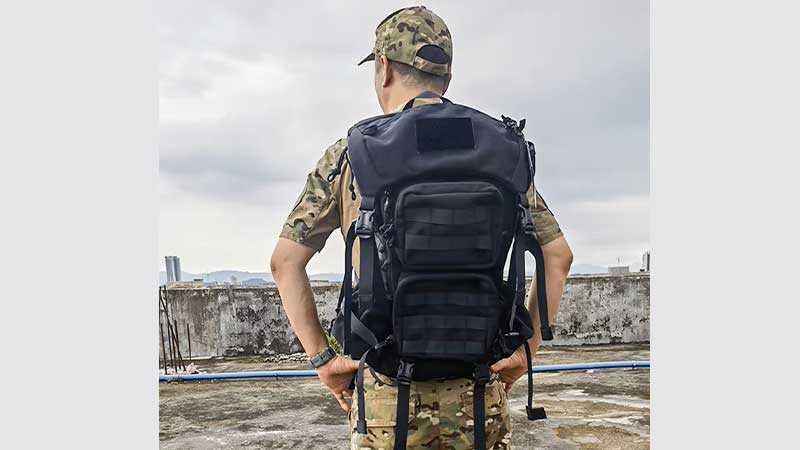
Some tactical backpacks need to work with protective gear.
This may include armor plates, plate carriers, bulletproof helmets, and other mission-ready equipment.
Common options include 10×12 inch plate pockets, SAPI plate compatibility, soft armor panel pockets, and custom plate pocket options.
If your project requires plate compatibility, confirm the actual plate size before production.
A small difference in plate size can affect fit, comfort, and mobility.
Not every tactical backpack needs armor plate compatibility.
For police or security use, a lighter pack without plate support may be more practical. For higher-risk deployment, plate compatibility may become a tender requirement.
We recommend matching armor compatibility to the real mission profile.
Adding unnecessary plate pockets may increase cost, weight, and production complexity.
Some buyers also need helmet carry solutions, such as an external helmet carrier, helmet net, compression strap helmet carry, or detachable helmet holder.
When a backpack works with a plate carrier, vest, and helmet, check shoulder strap thickness, back panel height, weight distribution, and freedom of movement.
Compliance and Testing
Compliance helps reduce procurement risk.
It also helps buyers compare suppliers with clearer evidence.
For military backpacks, required documents may vary by country, buyer type, tender file, and final application.
Useful documents may include material test reports, fabric composition reports, REACH compliance if required, color fastness tests, abrasion resistance tests, water resistance tests, seam strength tests, zipper cycle tests, factory audit documents, and QC inspection reports.
REACH is a European regulation related to chemical safety.
If products enter European markets or government-related supply chains, buyers may ask for chemical compliance documents.
A basic inspection process may include incoming material inspection, in-line inspection, final random inspection, pre-shipment inspection, and third-party lab testing.
Before bulk production, procurement teams should ask for sample approval records, material traceability documents, production inspection reports, packing lists, and certificates of conformity if required.
Material traceability means the supplier can show where the fabric and key components come from.
This helps reduce risk when a project requires repeated orders or strict compliance review.
Customization and OEM Manufacturing
Customization can help you meet tender, branding, or field identification requirements.
But it should be managed carefully.
Too many changes can raise cost, extend lead time, and slow sample approval.
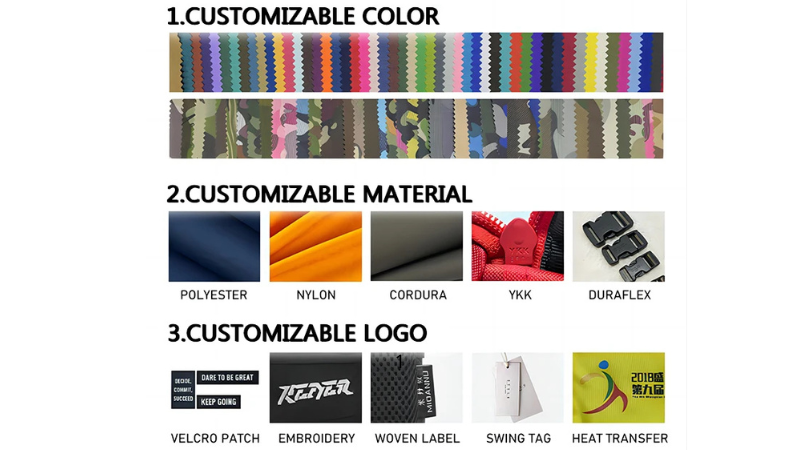
SONICE can support private-label branding, logo printing, woven labels, rubber patches, embroidery logos, unit insignia, and custom packaging.
Logo customization is one of the most common requests in B2B tactical backpack projects.
For many buyers, this is enough to create a branded or unit-specific product without changing the core structure.
Custom color options may include black, coyote brown, ranger green, olive drab, gray, or other project colors.
Camouflage programs may include digital camo, woodland-inspired patterns, desert patterns, or buyer-specified prints.
Some buyers request custom MOLLE layout, extra pockets, special zipper direction, reinforced handles, changed shoulder straps, or new internal compartments.
These changes may be useful for specific roles. But they can also require new patterns, extra sampling, or additional tooling.
MOQ should be separated by customization depth.
A standard model MOQ may be lower. A standard model with logo may require a slightly higher quantity. Custom color or camouflage may need a higher MOQ.
SONICE Procurement Insight
In real B2B inquiries, buyers often start by asking for a “custom tactical backpack” or “OEM tactical bag.”
But after further discussion, the first things we usually need to confirm are price and lead time, not complex design.
This matters when buyers want to change materials, adjust the structure, add special features, or develop a new shape.
These changes directly affect unit cost and production schedule.
So we usually help buyers answer three questions first:
Does this project truly require customization?
Which changes will affect price?
Which changes will affect lead time?
If the main goal is fast delivery and budget control, a standard or non-customized model is often the safer choice.
Pricing, Lead Times, and Bulk Ordering
Pricing and lead time often decide whether a project moves forward.
You may have a strong technical specification. But if the price is too high or the delivery schedule is too slow, the final order may still change.
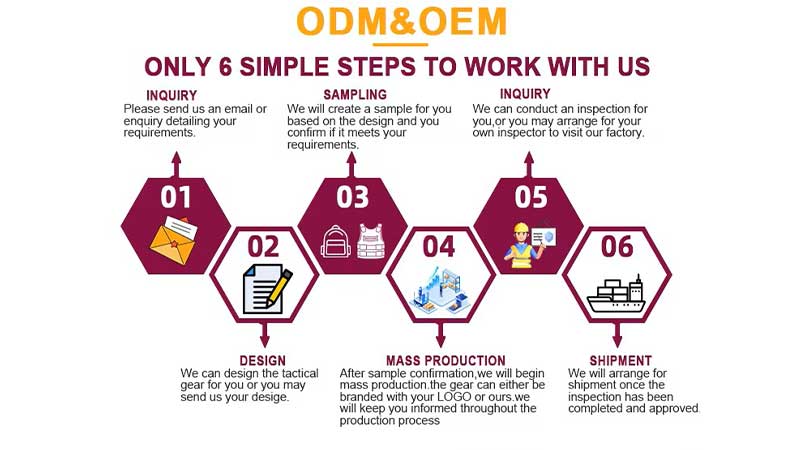
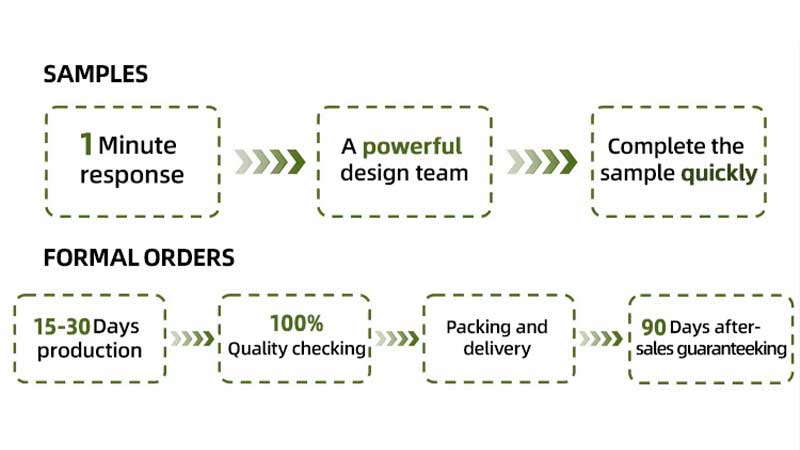
Lead time depends on quantity, material availability, customization level, and inspection requirements.
A sample order is usually faster than a bulk order. A small batch may be easier to schedule than a full OEM project.
If your delivery deadline is fixed, it is better to share it early.
This helps the manufacturer recommend a practical model instead of quoting an option that may not meet your schedule.
Volume pricing may include standard model pricing, logo customization pricing, custom material pricing, custom color pricing, new design development cost, and packaging customization cost.
The more changes you make, the more variables enter the quotation.
That is why a clear request can speed up quoting.
You can share target quantity, target price, delivery date, preferred material, and customization details at the beginning.
Packing and shipping can also affect cost and delivery.
Common packing options include individual polybags, inner boxes, master cartons, pallet packing, barcode labels, and custom carton marks.
Shipping options may include sea freight, air freight, express delivery, buyer’s forwarder, or SONICE-arranged shipping.
Bulk Order Experience from SONICE
In real quotation and bulk order discussions, buyers usually care about both price and lead time.
But once price and lead time are confirmed, the most common result is that buyers choose non-customized models or mature standard models.
The reason is practical.
Non-customized backpacks are easier to price, faster to sample, more stable to produce, and better for urgent replenishment, early-stage government testing, or distributor stock programs.
If your project timeline is tight, we usually suggest starting with a mature standard model.
You can still add logo, label, or packaging customization if needed, without greatly extending the delivery schedule.
Selection Criteria
A good selection process prevents overbuying and under-specifying.
You do not always need the most complex backpack. You need the right configuration for the mission, budget, and delivery plan.
For patrol use, choose a compact pack with quick access and lightweight carry.
For 72-hour missions, choose a larger pack with better load support and hydration compatibility.
For police tactical units, black color, compact shape, and fast-access compartments may matter more.
For border security, hydration support, durability, and comfort during long movement may be more important.
A useful decision flow can be simple.
First, confirm the mission scenario.
Then confirm the required capacity.
Next, decide whether MOLLE is necessary.
After that, check whether hydration and plate compatibility are required.
Then confirm budget and delivery deadline.
Finally, choose between a standard model, light customization, or full OEM development.
If your project focuses on fast delivery and cost control, standard models should be considered first.
After-Sales Support, Warranty, and Maintenance
After-sales support is an important part of B2B tactical backpack procurement. A clear warranty
and repair policy can cover fabric, zipper, buckle, stitching, and workmanship defects, while
spare parts such as buckles, webbing, zipper pullers, chest straps, and waist belts help large-
volume buyers reduce downtime and extend service life. Buyers should also follow basic
maintenance guidance, including soft-brush cleaning, natural drying, regular zipper
and buckle checks, avoiding long-term direct sunlight, and not overloading beyond the
recommended capacity.
Datasheets, Certificates, and Samples
Good sales collateral helps procurement teams move faster.
It also helps buyers compare suppliers and prepare internal approval documents.
SONICE can prepare downloadable datasheets, product specification sheets, material reports, test certificates, QC reports, packing information, sample photos, production photos, and pre-shipment inspection documents.
These materials are useful for procurement review, tender preparation, distributor catalogs, and technical comparison.
A sampling program may include standard samples, logo samples, material samples, color samples, pre-production samples, and sealed samples for bulk order reference.
A sealed sample is a confirmed sample kept as the quality standard for mass production.
Before mass production, buyers should confirm the sample, logo, color, packaging, carton labels, and lead time.
This can help avoid last-minute changes that increase cost or delay shipment.
Conclusion
Tactical backpack sourcing should not focus only on price. Buyers need to consider mission use,
materials, construction, MOLLE compatibility, documents, lead time, customization, and after-
sales support. In many B2B projects, standard models are often preferred for faster sampling,
stable production, and better cost control, while customization is used when branding, tender
matching, or long-term identity is required.
Get an Instant Quote for Tactical Backpacks
Send us your required quantity, target price, delivery deadline, and customization details.
Our team will help you choose a suitable tactical backpack solution for your procurement program.
Contact SONICE today to request a free sample, download product catalogs, or discuss your bulk tactical backpack order.