Introduction
Choosing the right military gloves is about more than protection. You also need to consider comfort, materials, price, and supply needs before placing bulk orders.
At SONICE, many customers first ask about stock and custom options. As we discuss their projects, price often becomes their main concern.
This guide explains how to compare military glove types, protection levels, materials, and suppliers. It also shares practical tips to help you control costs and make better buying decisions.
1. What Are Military Gloves and Why Do They Matter?
Military gloves help protect hands during field training, patrol, and daily operations. They can also improve grip and comfort when users handle equipment.
Different tasks need different gloves. Some users need strong impact protection, while others need better finger movement and grip.
For wholesale buyers, the goal is to find gloves that fit the task and budget. The right choice can also make repeat orders easier.
Military Gloves vs Regular Work Gloves
Regular work gloves often focus on common workplace hazards. Military gloves may need additional features for field use.
These features can include knuckle guards, reinforced palms, wrist straps, and touchscreen fingertips. However, not every military glove needs every feature.
A simple glove may work well for daily patrol. A more protective design may suit rough field tasks.
Who Buys Military Gloves in Bulk?
Military gloves are often sourced by tactical gear wholesalers, defense equipment suppliers, and security procurement teams.
These buyers may serve different markets. Some need standard products for resale, while others follow strict project specifications.
That is why product selection and supply terms matter from the start. A clear purchasing plan helps avoid costly changes later.
2. Military Glove Types and Their Main Uses
You may see many glove styles when browsing a supplier’s catalog. They often look similar, but their features can differ.
Before comparing prices, check the main task. This helps you choose a glove that offers the right balance of protection and dexterity.
Tactical Gloves for Daily Use
Tactical gloves are useful for patrol, training, and outdoor work. Many designs focus on grip, comfort, and hand movement.
Some models have reinforced palms or light knuckle padding. Others use thin materials to improve finger control.
For general wholesale orders, standard tactical gloves can be a practical starting point. They often cover several common applications.
Combat Gloves for Field Protection
Combat gloves often feature a stronger outer design. Hard knuckle guards, palm reinforcement, and adjustable cuffs are common options.
These features may help reduce contact injuries during rough field work. However, extra protection can also add weight or stiffness.
A good combat glove should offer protection without excessive bulk. Buyers should test the fit before selecting a model.
Shooting Gloves for Finger Movement
Shooting gloves usually place more focus on fit and touch. Users need a close fit to handle controls and other small items.
Thick padding may reduce finger movement. For this reason, some shooting gloves use thinner palms and flexible finger panels.
During sample testing, check finger movement and grip comfort. The glove should not interfere with safe equipment handling.
Flame-Resistant Pilot Gloves
Pilot gloves may need protection from heat and flame exposure. Some designs use flame-resistant fibers and leather palms.
However, material choice alone does not prove a glove meets a fire safety requirement. Buyers need to check the test method and report.
For aviation projects, verified flame resistance is more important than a product name or marketing claim.
Cut-Resistant Military Gloves
Some security tasks involve sharp materials or damaged equipment. Cut-resistant gloves may help manage these mechanical hazards.
These gloves can use HPPE, aramid fibers, steel fibers, or other materials. The required design depends on the task.
Before buying, check the actual cut resistance rating. A higher rating is not always needed for every job.
3. How to Choose Military Gloves for Different Tasks
The best glove depends on its intended use. A glove made for rough outdoor work may feel too thick for tasks that need fine finger movement.
Rather than choosing one model for every user, start with the work they do most often. This can help you avoid unnecessary costs.
Compare Protection and Dexterity
Protection and dexterity both matter. Yet they do not always improve together.
Thicker layers may add protection against some hazards. They can also make a glove less flexible.
During sample testing, ask users to handle their normal equipment. This gives you a better view of real wearing comfort.
Check Grip in Different Conditions
A dry grip test is useful, but it does not tell the whole story. Some teams also work in rain, mud, or damp areas.
Palm materials can behave differently on wet surfaces. Leather, synthetic leather, and textured coatings each have their own strengths.
Ask for samples and check grip stability in conditions that match the planned use.
Consider Long-Wear Comfort
A glove may feel good for five minutes but less comfortable after several hours.
Poor fit, heavy padding, or stiff seams can affect the user. Moisture can also make long wear uncomfortable.
Look for breathable materials and a close fit where the task allows them. This can help users keep their gloves on during work.
4. SONICE Procurement Insight: Buyers Ask About Stock but Focus on Price
At SONICE, many customers begin with two simple questions. They want to know if we have stock and whether we can make custom gloves.
These questions help them find out what is possible. However, the discussion often changes when we start comparing products.
After more communication, price becomes a key concern. Buyers want a glove that meets their needs without going over budget.
Why Stock Availability Matters
Stock products can give buyers a useful starting point. They can review a model before making larger commitments.
For distributors, this also helps with product testing and market planning. The exact stock level still needs to be checked before an order.
If a standard model meets the project needs, buyers may not need a full custom design.
Compare Price With the Features You Need
A low price can look attractive at first. But a glove must still meet the required use and quality level.
Extra padding, special fibers, and complex parts may raise the cost. Not every buyer needs these features.
We suggest comparing standard models and required features first. This helps customers understand where their budget goes.
5. Military Glove Materials: What Buyers Should Know
Materials affect protection, comfort, and price. They can also change how a glove performs after long use.
A useful material review should cover the palm, back of the hand, lining, and reinforced areas. Each part has a different job.
Natural Leather vs Synthetic Leather
Natural leather is often used for palm reinforcement. It can offer a firm grip and good wear performance when matched to the task.
Synthetic leather is another common option. Depending on its construction, it can provide a flexible feel and easier care.
Neither material is best for every glove. Compare grip, thickness, comfort, and cost before choosing.
Material | Common Benefits | What Buyers Should Check |
Natural leather | Grip and wear resistance | Thickness, quality, flexibility |
Synthetic leather | Flexible design options | Coating quality, wear performance |
Nylon fabric | Lightweight and flexible | Fabric strength and breathability |
HPPE | Cut-resistant material options | Tested cut level and dexterity |
Aramid fibers | Heat-resistant or cut-resistant applications | Specific fiber and test results |
Nomex and Flame-Resistant Materials
Nomex is a flame-resistant aramid fiber. It is used in some protective clothing and glove designs.
For pilot gloves or other heat-risk tasks, the full glove design matters. Seams, palm materials, and linings may affect performance.
Ask for relevant flame and heat test reports. Do not judge protection by the fiber name alone.
Kevlar and HPPE for Cut Protection
Kevlar and HPPE are used in many cut-resistant glove designs. Both can be part of a protective glove structure.
However, the final rating depends on more than the main fiber. The yarn, knit, coating, and other materials can affect the result.
This is why buyers should compare tested protection levels, not only material names.
Palm Reinforcement and Thumb-Web Protection
The palm and thumb web often face repeated contact during work. Reinforcement may help reduce wear in these areas.
However, thick reinforcement can also affect movement. The best design depends on the task.
Check the reinforced areas during sample testing. Make sure the glove still feels comfortable and easy to use.
6. Military Gloves Protection Standards and Certifications
Protection standards help buyers compare gloves using test results. They are especially useful when a project has clear safety requirements.
Not every military glove needs the same certification. The correct standard depends on the hazards and intended use.
Understanding EN 388 Mechanical Protection
EN 388 is a European standard for gloves that protect against mechanical risks. It covers abrasion, cutting, tearing, and puncture resistance.
The marking uses numbers and letters to show different test results. Some gloves also have an impact protection marking.
For example, an EN 388 rating may look like this:
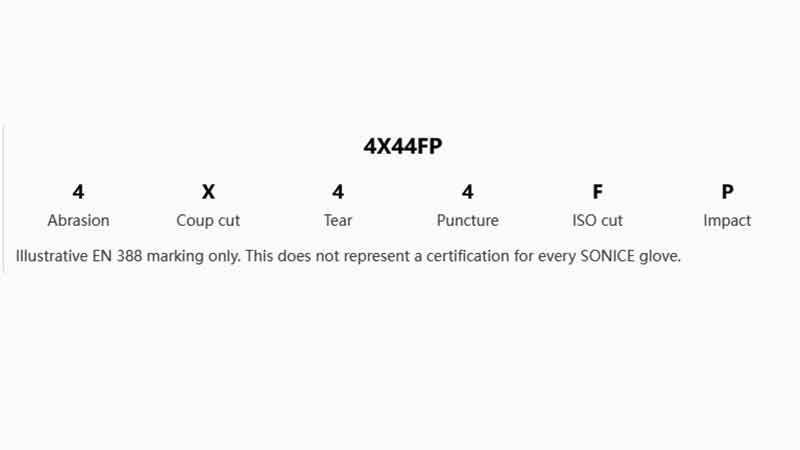
The numbers and letters describe separate test properties. The letter X means a specific test was not performed or its result was not applicable.
Buyers should review the full report instead of comparing one number. See the SATRA PPE testing resources for more information on protective equipment testing.
ANSI Cut Resistance Levels
ANSI/ISEA 105 is another useful reference for hand protection. It classifies several protective properties, including cut resistance.
Cut resistance is commonly described using levels from A1 to A9. Higher levels reflect greater resistance in the specified test.
However, a higher level does not make a glove suitable for every task. The buyer must still check grip, fit, and comfort.
The ANSI/ISEA 105-2024 standard provides information about this classification system.
How to Choose a Cut Resistance Level
Start with the hazards that users may face. Then check which cut protection level the project requires.
A high cut rating may be useful for some tasks. For other jobs, a lighter glove can offer better finger movement.
Do not pay for a higher rating without a clear need. Match the cut level to the job and request proof of the rating.
Impact Protection and Knuckle Guards
Some military gloves include hard knuckle shells or soft impact pads. These parts may help reduce injury from certain impacts.
However, a hard knuckle guard does not automatically mean the glove has passed an impact test.
EN 388 includes an optional impact performance marking. EN 13594 covers protective gloves for motorcycle riders, so it should not be treated as a universal military glove requirement.
For bulk orders, ask which standard applies to the specific glove. Then confirm the test report and product model match.
Check Documents Before Purchase Approval
Before placing a large order, ask the supplier for the documents that your project needs.
These may include a product specification sheet, test reports, certification records, and product labels.
Check the product name, model number, and reported performance. A general factory certificate cannot replace a glove-specific test report.
7. SONICE Bulk Order Experience: How Cut Levels Affect Price and Lead Time
Custom military gloves are common in B2B purchasing. At SONICE, customers often ask for custom logos and different cut resistance levels.
These two requests can have very different effects on an order. A logo may only change the branding process, while a new cut level may require different materials.
That is why cut resistance is an important cost factor in military glove procurement.
Why Cut Resistance Levels Affect Price
A different cut level may require a change in yarn or glove construction. These changes can affect material cost and production planning.
In some cases, a new design may also need testing. That can add time before the supplier can confirm the final specification.
Before requesting custom production, check whether an existing tested glove can meet the project needs.
Most Buyers Can Choose Existing Protection Levels
From SONICE’s experience, most customers can find suitable cut resistance levels in our existing range.
This gives them a useful way to compare products and prices. It may also reduce the need for extra development.
We help buyers review the available options first. The aim is to find a glove that meets the required protection and budget.
Some Customers Still Need Full Customization
Not every project can use a standard glove. Some buyers have special protection requirements or design needs.
These customers may choose custom development even when it costs more. For them, meeting the project specification is more important than using a stock model.
The key is to confirm the requirements early. This makes pricing and production planning clearer.
Factor | Standard Gloves | Custom Gloves |
Product design | Existing model | May need new development |
Protection level | Available tested options | Buyer-specific level |
Logo | Possible on selected models | Custom branding |
Cost | Easier to compare | Depends on requested changes |
Lead time | May be shorter | May require extra time |
Testing | Existing reports may be available | New testing may be needed |
Best use | Regular wholesale and distribution | Special procurement projects |
For first orders, a standard glove is worth reviewing. However, full customization remains an option when existing models cannot meet the requirement.
8. Military Glove Sizing and Fit Testing
Correct sizing matters for comfort and hand control. A glove that fits poorly may limit finger movement or reduce grip.
For bulk buyers, sizing problems can affect many users at once. A clear size plan helps reduce complaints after delivery.
How to Measure Military Glove Size
Start by measuring the hand around the palm. Do not include the thumb in this measurement.
Finger length also matters. A glove should allow users to move their fingers without excess material at the tips.
Different glove models may fit differently. For this reason, supplier-specific size charts are more useful than general size labels.
Test the Glove With Real Equipment
A sample should be tested during normal work. Users can check their grip, finger movement, and wrist comfort.
It is also useful to test the closure system. The glove should stay secure without placing too much pressure on the wrist.
These simple checks help buyers find fit problems before bulk orders.
Why Repeat Orders Need Stable Sizing
A size marked Large should offer a similar fit across repeat batches of the same model.
If sizing changes, distributors may face complaints and extra stock problems. This can make repeat purchasing harder.
Ask the supplier to confirm size tolerances and production checks. A stable size system supports long-term wholesale supply.
9. How to Evaluate Military Glove Quality Before Bulk Orders
A good sample can build confidence, but one sample is not enough to judge a full order.
Before production, buyers need a clear agreement on materials, size, construction, and appearance. This gives the supplier a common reference.
Check Key Construction Details
Start with the palm, fingers, seams, and wrist closure. These areas face regular movement and wear.
Also inspect any knuckle guards or reinforced sections. Their position and fit should match the approved design.
A clear inspection plan helps find workmanship problems before shipment.
Confirm Sample-to-Bulk Consistency
Once a sample is approved, keep a clear record of its specifications.
The final order should match the approved model within the agreed tolerances. Materials, colors, sizes, and protective features should remain consistent.
For gloves with certified protection, confirm that production changes do not invalidate the relevant testing or approval.
Ask About Quality Control
A supplier should explain how it checks materials and finished gloves.
Useful checks may include size measurements, visual inspection, seam quality, labeling, and packing accuracy.
For protective gloves, buyers should also review how the supplier manages tested materials and product traceability.
10. Military Gloves Bulk Procurement: MOQ, OEM, and Delivery
A good glove is only part of a successful order. Buyers also need clear prices, order terms, and delivery plans.
Before confirming a supplier, check the MOQ, sample policy, customization options, and lead time. These details can affect the final purchasing decision.
Confirm Stock and MOQ Before Ordering
At SONICE, stock availability is often one of the first questions we receive.
If you need a standard glove, ask which models and sizes are available. Stock levels can change, so confirm the quantity before placing an order.
MOQ may also vary by design and material. Custom production may require a different MOQ from standard products.
Review OEM and Logo Options
Logo customization is a common request from military glove buyers. Branding can help distributors build their own product lines.
Depending on the glove design, buyers may request printed logos, labels, or custom packaging.
Before ordering, confirm the logo position and method. This helps avoid extra costs and sample changes.
Check Pricing and Delivery Terms
A useful quotation should do more than show the unit price.
It should also confirm the product model, quantity, size range, packaging, and delivery terms. For custom gloves, material and testing requirements are also important.
Ask the supplier to explain any additional charges. Clear quotations make supplier comparison easier.
Follow a Clear Bulk Order Process
A structured order process helps reduce mistakes. It also makes communication easier for both sides.
Step | What to Confirm |
1. Inquiry | Glove type, quantity, target price |
2. Product Selection | Standard or custom model |
3. Specification Review | Material, protection level, size range |
4. Sample Approval | Fit, workmanship, performance documents |
5. Order Confirmation | MOQ, price, packaging, delivery terms |
6. Bulk Production | Approved specifications and quality checks |
7. Final Inspection | Size, appearance, labeling, packing |
8. Shipment | Quantity, export documents, delivery arrangements |
This process gives buyers more control over the order. It also helps suppliers identify unclear requirements before production starts.
11. Military Gloves Comparison Guide for B2B Buyers
Military glove types serve different purposes. A comparison table can help you narrow down the options before requesting samples.
The best choice depends on the job, required protection, and budget.
Glove Type | Main Focus | Common Features | Buyer Priority |
Tactical Gloves | Daily field use | Flexible fabric, reinforced palm | Comfort and price |
Combat Gloves | Field protection | Knuckle guards, wrist closure | Durability and fit |
Shooting Gloves | Fine hand movement | Thin palm, close fit | Dexterity and grip |
Pilot Gloves | Aviation-related protection | Flame-resistant materials | Verified testing |
Cut-Resistant Gloves | Mechanical cut hazards | Protective yarns, reinforced structure | Cut level and cost |
Mechanical Work Gloves | Maintenance tasks | Reinforced palms, durable fabric | Wear resistance and value |
This table gives a starting point, not a final specification. Two gloves in the same category can have very different test results.
Military Glove Procurement Checklist
Before placing an order, use this checklist to compare suppliers.
[ ] Define the intended application
[ ] Confirm the glove type and materials
[ ] Choose the required protection level
[ ] Request relevant test reports
[ ] Check the size chart and fit samples
[ ] Confirm logo and packaging needs
[ ] Compare MOQ, price, and lead time
[ ] Approve the sample before production
[ ] Confirm inspection and delivery terms
A complete checklist helps avoid missed details. It also makes it easier to compare offers from different military glove suppliers.
12. Military Glove Maintenance and Long-Term Supply
Good care can help gloves last longer. However, cleaning methods depend on the materials and protective features.
Leather gloves, synthetic gloves, and cut-resistant knit gloves may need different care methods. Always follow the supplier’s instructions.
Cleaning and Storage
Remove dirt after use and inspect the gloves for visible damage.
Let damp gloves dry according to the care label. Avoid high heat unless the manufacturer allows it.
For protective gloves, damaged materials can affect performance. Replace gloves when their condition no longer meets the required level of protection.
Plan for Repeat Orders
For distributors, repeat orders are important. A stable product line can make stock planning easier.
Keep records of approved models, sizes, colors, and packaging. Use the same specifications when requesting more stock.
This helps reduce unexpected product changes and supports consistent long-term supply.
13. Why Choose SONICE for Military Gloves Procurement?
SONICE supplies tactical and protective gloves for B2B buyers. Our customers include tactical gear wholesalers, distributors, and procurement teams.
We support buyers with product selection, OEM options, samples, and bulk order planning. We can also help customers compare available protection levels.
Practical Product Selection
Some projects need flexible tactical gloves. Others need cut-resistant designs or enhanced protection.
We help customers compare available models based on their intended use and budget.
Our goal is to recommend suitable products instead of unnecessary features.
Protection Levels and Testing Support
SONICE offers protective glove options with different performance levels. Available reports depend on the specific model.
If your project requires EN 388, ANSI cut resistance, or other test documents, send us your requirements first.
We can help review which products may meet the requested specifications. Model-specific test reports should be checked before final approval.
OEM and Bulk Order Support
SONICE supports logo customization and other product requests based on project needs.
Most buyers can find suitable cut resistance levels in our existing range. Some customers still need special designs and choose custom production.
We help compare these options so buyers can make informed decisions about price, customization, and delivery time.
Conclusion: Choose Military Gloves Based on Real Procurement Needs
The right military gloves should match the work users perform. Start with the glove type, material, protection level, and fit.
Then review the commercial details. Price, MOQ, lead time, and customization can influence the final purchasing decision.
For many buyers, existing tested models are a useful starting point. More complex products make sense when the project has a clear need for them.
Before placing a large order, review samples and confirm the specifications. This is a practical way to reduce purchasing risk.
Get Instant Quote
Looking for military gloves for tactical equipment wholesale, security supply, or defense procurement? SONICE can help you compare available models and custom options.
Send us your order quantity, target price, glove type, protection level, size range, logo needs, packaging requests, and delivery schedule. We can review your project and recommend suitable options before bulk production.Request a Quote from SONICE